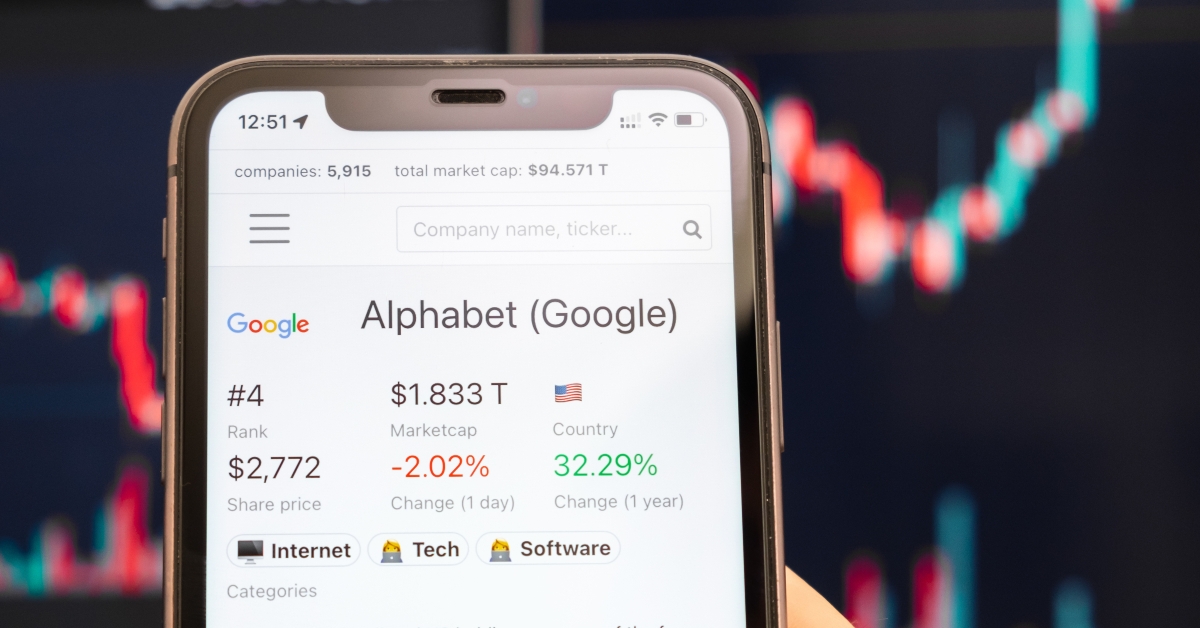
There was a time when if you wanted to start investing, you'd have to hire a broker to manage your portfolio. Nowadays, you can handle it on your own, right from your phone. There are countless financial resources available online, yet it seems wealthy people follow a different set of investment rules.
Fortunately, these rules are not exclusive to the rich. With 62% of Americans currently buying and selling stocks, now is a better time than ever to learn the investing rules of the wealthy.
Here are some investment strategies that set the rich apart from everyone else.
Now Available: The Definitive Guide to Retirement Income
Many successful investors eventually reach the same moment. The saving is done, the portfolio is built, and the question quietly changes from how much can I grow this to how much can I take out? Get that second question wrong and decades of good investing can come apart in a handful of years.
That is exactly what The Definitive Guide to Retirement Income helps answer.1 <p class="">Investing in securities involves a risk of loss. Past performance is never a guarantee of future returns. Investing in foreign stock markets involves additional risks, such as the risk of currency fluctuations. Guides are provided by Fisher Investments. The publisher may be compensated when readers request a guide.</p> It covers what your retirement could actually cost, which income sources are worth using, and the withdrawal math that decides whether the money lasts. It is free today from Fisher Investments. Read More Here ›
Automate your investments
People who don't have extreme wealth often like to exercise a high level of control over their money. Because of this, automated investing scares them. However, statistics show that automated investing could lower investment costs.
Rich people like to automate everything, and in the end, they typically profit handsomely because of it.
Focus on long-term compound growth
The wealthy do not obsess over daily returns. Yes, watching a stock fluctuate suddenly can cause some panic. However, investing is about the long haul. Wealthy people invest with decades in mind.
This allows compounding growth to multiply their wealth. A $500 monthly investment at a 10% annual return could grow to more than $100,000 in just 10 years.
Avoid emotional decisions
Rich investors do not panic when the market crashes or chase hype when things are going well. They have a plan, and they stick to it. They trust their process. Sadly, emotional investors often buy high and sell low.
Keeping fear and greed out of your investment plan is key. This can lead to long-term growth and help you make better decisions.
Released: The Definitive Guide to Retirement Income (Sponsor)
Most people spend their entire working lives focusing on one thing: growing a pile of money. Then they retire and discover the skill they actually need is close to the opposite. Turning that pile into steady income, year after year, through good markets and bad, without ever running out. It may be the least discussed and most consequential transition in personal finance, and plenty of otherwise careful investors walk into it with no real plan.
That is exactly what The Definitive Guide to Retirement Income helps answer.1 <p class="">Investing in securities involves a risk of loss. Past performance is never a guarantee of future returns. Investing in foreign stock markets involves additional risks, such as the risk of currency fluctuations. Guides are provided by Fisher Investments. The publisher may be compensated when readers request a guide.</p> It is a free guide from Fisher Investments covering what your retirement will really cost, where the cash flow should come from, and how much you can safely withdraw each year. Learn More Here ›
Use dollar-cost averaging
The richest investors don't wait for "the right time" to invest. They invest fixed amounts consistently. When an asset is down, this means they get more shares. When the asset is up, that fixed dollar amount buys less.
This strategy can lower an investor's average cost per share and mitigate the risk of investing large sums before a market downturn.
Rebalance regularly
Wealthy investors realign their portfolios every 6-12 months. If a particular asset class is outperforming, they'll sell some of it and buy underperformers. Rebalancing forces disciplined "buy low, sell high" behavior.
This keeps portfolios balanced and aligned with long-term risk tolerance. It also helps investors achieve their goals over time.
Keep investment fees low
Fees can quietly destroy wealth. They eat away at many people's gains without them even noticing. Rich investors often opt for low-cost index funds and ETFs. There are many options available with annual fees under 0.10%.
Depending on how much you're investing, a difference of 1% vs. 0.10% could be hundreds of thousands in profit over 30 years. Small savings now can translate to huge portfolio gains later in life.
Prioritize tax efficiency
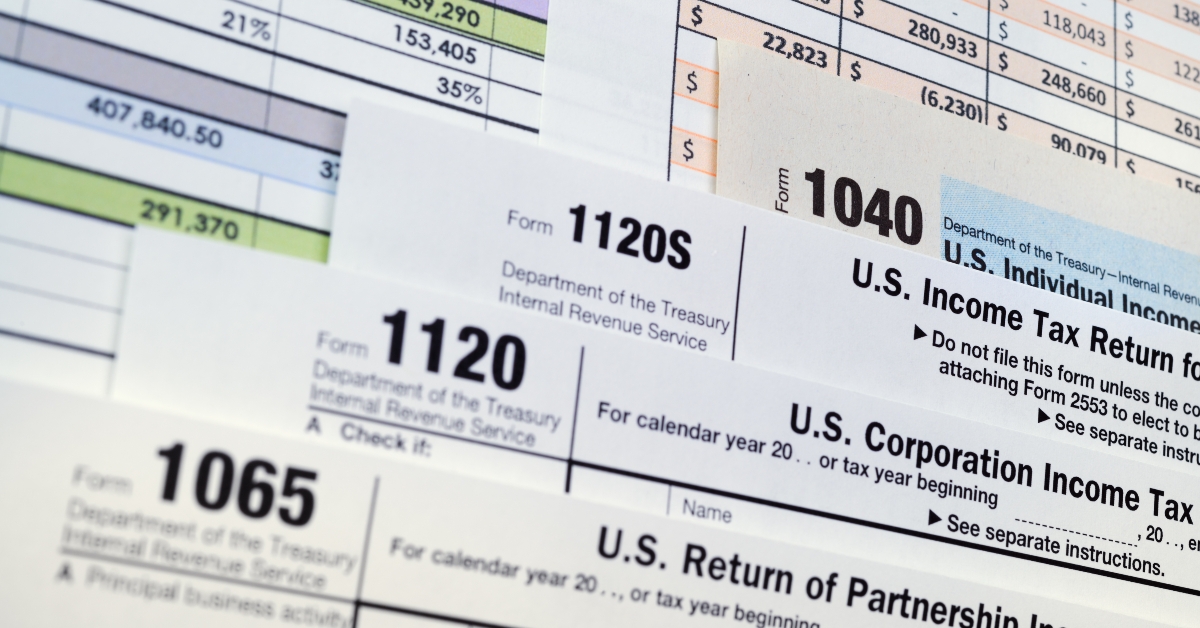
Many novice investors only focus on gains and losses. They completely overlook the potential impacts of taxes. For instance, did you know you can be taxed up to 37% for short-term capital gains?
To protect their wealth, the rich reduce tax drag through accounts such as Roth IRAs, 401(k)s, and HSAs. They hold assets for a longer period to lower capital gains taxes. Put simply, they take tax planning seriously.
Focus on asset allocation
A major novice mistake is failing to hold positions across various asset classes. Wealthy investors diversify across asset classes, investing in stocks, bonds, real estate, and other investment vehicles.
They choose where to invest their money based on their risk tolerance and goals. A strategic mix of assets can cushion you against market downturns and capture gains from multiple sources. Seek out stable investments across multiple asset classes to round out your portfolio.
Invest in index funds over individual stocks
The average person loves betting on individual companies. This is particularly true if they share the company's mission or values. However, the wealthy typically avoid individual stock picking.
They recognize that most active investors underperform the market. Index funds offer diversification, low fees, and proven long-term performance. Research available index funds to see which provide consistent returns.
Get instant access to hundreds of discounts
Over 50? Join AARP today— because if you’re not a member you could be missing out on huge perks like discounts on travel, dining, and even prescriptions.
Get 25% off membership — just $15 for your first year with auto-renewal — and a free gift if you join today.
Take contrarian opportunities seriously
Rich investors do not follow the crowds. They buy during market downturns and sell when assets become overpriced. It's a scary strategy, but buying when others are fearful and selling when they're greedy usually pays off.
For instance, wealthy investors who bought into the 2009 market crash reaped returns of 300% or more over the following decade. Monitoring the Fear and Greed Index can help you make better decisions.
Stay fully invested
Wealthy investors do not usually wait on the sidelines. Instead, they keep their money working in diversified portfolios. Holding large cash positions out of fear can result in missed opportunities.
Rich individuals would rather invest through uncertainty than miss out on the benefits of compound growth. Because if history tells us anything, it's that markets reward patience rather than perfection.
Ignore financial media hype
Clickbait headlines and talking heads make the average investor reactive. Wealthy investors can tune out such noise. They don't care what commentators are yelling about or what's trending on Reddit.
Strategic investors focus on fundamentals, time in the market, and strategies that support their long-term goals.
Build a system, then trust it
It's been mentioned already, but following a system is key to many of the other strategies that make wealthy people successful investors. The rich do not chase perfection. They have a system and stick to it.
This tactic involves automated investing, rebalancing, low fees, tax optimization, and disregarding short-term noise. Wealth building is a process, not a matter of choosing the perfect investment.
Bottom line
Investing can be scary. This is particularly true for those who feel they can't build wealth because they lack sufficient funds to take advantage of the best strategies. However, never forget that consistency and patience are far more important than income level.
These learnable traits are what drive long-term wealth and build financial fitness. Smart investing could yield millions of dollars in returns, even with moderate monthly investments. Take these lessons from the rich and start working your way up.
Subscribe Today
Learn how to make an extra $200
Get vetted side hustles and proven ways to earn extra cash sent to your inbox.
Add Us On Google