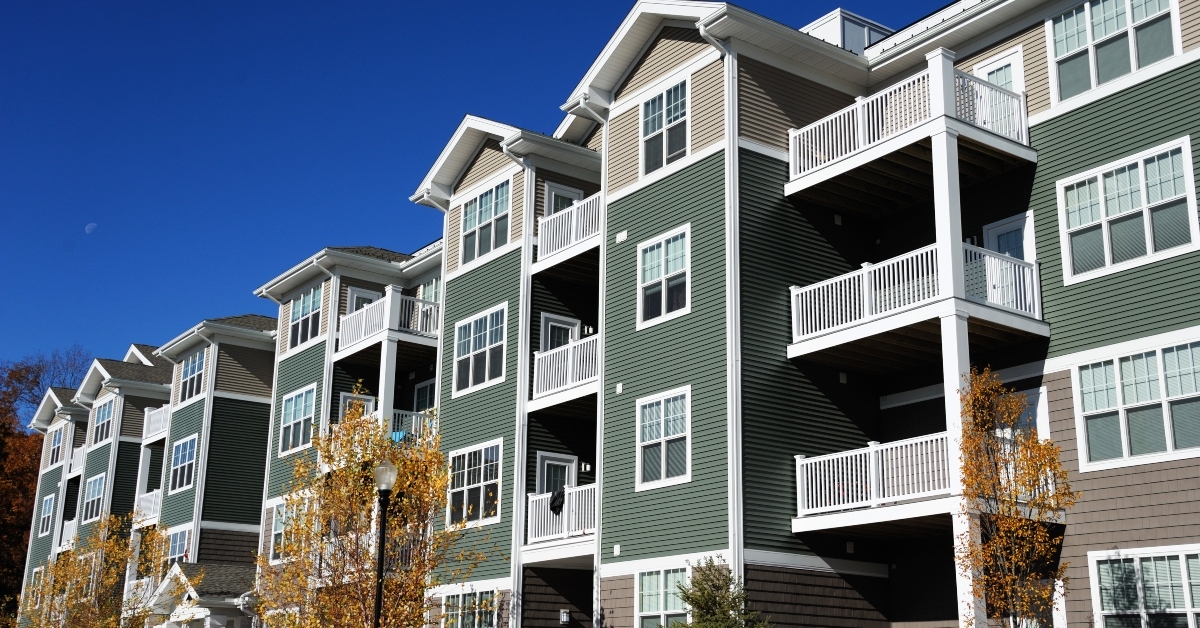
Downsizing in retirement is often a smart move for many. It can reduce your monthly expenses and free up equity for you to invest elsewhere. But while the benefits are often worth it, there are also financial surprises that could catch you off guard.
If downsizing is part of your retirement plan, it may be worth digging into the details ahead of time. Here are some of the most overlooked financial surprises that could show up when you downsize, and how to plan ahead to avoid them.
Now Available: The Definitive Guide to Retirement Income
Many successful investors eventually reach the same moment. The saving is done, the portfolio is built, and the question quietly changes from how much can I grow this to how much can I take out? Get that second question wrong and decades of good investing can come apart in a handful of years.
That is exactly what The Definitive Guide to Retirement Income helps answer.1 <p class="">Investing in securities involves a risk of loss. Past performance is never a guarantee of future returns. Investing in foreign stock markets involves additional risks, such as the risk of currency fluctuations. Guides are provided by Fisher Investments. The publisher may be compensated when readers request a guide.</p> It covers what your retirement could actually cost, which income sources are worth using, and the withdrawal math that decides whether the money lasts. It is free today from Fisher Investments. Read More Here ›
Higher-than-expected moving costs
Many retirees underestimate how much it costs to actually move, especially if they've been in the same home for years. From hiring professional movers to paying for packing supplies, storage, and insurance, the bill adds up fast.
A full-service move often costs around 2,000, but this can vary depending on distance and home size. If you want to set yourself up for retirement, get multiple quotes early and plan for these expenses.
Property taxes that don't drop
Downsizing doesn't always mean you can expect lower property taxes. If you move to a smaller home in a high-demand area, you could end up paying the same or even more in taxes. Plus, rates can vary widely by state and even municipality.
Before you buy, research local property tax rates and factor them into your budget to avoid disrupting your retirement plans.
Capital gains tax on your house sale
Selling your longtime home could trigger a capital gains tax if your profit exceeds the IRS exclusion limits, which amount to $250,000 for individuals and $500,000 for couples.
This often surprises retirees who've lived in a home for decades, as their home's value has likely risen significantly. To avoid being caught off guard, consider consulting with a tax advisor before selling, which can sometimes help lower your overall tax bill.
Released: The Definitive Guide to Retirement Income
Most people spend their entire working lives focusing on one thing: growing a pile of money. Then they retire and discover the skill they actually need is close to the opposite. Turning that pile into steady income, year after year, through good markets and bad, without ever running out. It may be the least discussed and most consequential transition in personal finance, and plenty of otherwise careful investors walk into it with no real plan.
That is exactly what The Definitive Guide to Retirement Income helps answer.1 <p class="">Investing in securities involves a risk of loss. Past performance is never a guarantee of future returns. Investing in foreign stock markets involves additional risks, such as the risk of currency fluctuations. Guides are provided by Fisher Investments. The publisher may be compensated when readers request a guide.</p> It is a free guide from Fisher Investments covering what your retirement will really cost, where the cash flow should come from, and how much you can safely withdraw each year. Learn More Here ›
Unexpected renovation costs
Even with a full home inspection, some homes might need more work than you originally expect, especially older and more affordable properties. In 2025, Angi estimated that home renovations cost somewhere between $15 to $80 per square foot.
These aren't all nice-to-have renovations, either. Repairs like roof updates, plumbing fixes, and accessibility upgrades can be costly and necessary. Doing your due diligence before purchasing a home by getting a full home inspection can help reduce the odds of surprises.
HOA fees and community costs
Downsizing into a condo or 55+ community often means monthly HOA fees, which can range from $50 to $59 per month for most single-family homes, according to Zillow. Condos are often much more expensive, sitting at around $300 on average.
These fees may cover amenities, but they can also increase over time and catch retirees off guard. Before you buy, review the HOA's financials, rules, and fee history to avoid surprises.
Bridge housing between moves
Selling your current home before your new one is ready could mean paying for temporary housing. Short-term rentals, storage, and double utility bills can add thousands in unplanned expenses.
This gap is one that often gets overlooked during downsizing. Plan your timeline carefully and add a buffer in case your transition doesn't end up seamless.
Downsizing doesn't always lower utilities
A smaller house doesn't always mean a smaller utility bill. Moving into an older home often means you'll have outdated systems, which can be less efficient. Relocating to a region with different weather can also impact your heating and cooling costs. Don't necessarily plan for lower utility costs until you actually get your first bill.
Want to plan ahead? Consider asking for past utility statements and consider investing in energy-efficient upgrades if it's within your budget.
Emotional costs that lead to financial ones
Letting go of a longtime home can bring unexpected emotional stress, and that stress can sometimes lead to costly decisions. For instance, some retirees may hold onto belongings that require pricey storage. Give yourself plenty of time to go through your belongings and process the change.
When in doubt, working with a counselor or a financial planner to help you make hard decisions can help avoid turning emotional challenges into surprising retirement mistakes.
Cost of selling your current home
Many retirees forget how expensive selling a home can be. In addition to the fee you pay the real estate agent who sells your home, you may have to pony up some money for extra fees like staging, repairs, and closing costs.
These expenses can quickly eat up your equity. To avoid wasting your retirement savings, get a clear estimate of selling costs early so you can make the right moves with your downsizing plan.
Get instant access to hundreds of discounts
Over 50? Join AARP today— because if you’re not a member you could be missing out on huge perks like discounts on travel, dining, and even prescriptions.
Get 25% off membership — just $15 for your first year with auto-renewal — and a free gift if you join today.
Bottom line
Downsizing can be a smart money move for seniors, but only if you plan carefully. Taxes, moving costs, and other unexpected fees can add up fast and are easy to leave out of your retirement planning.
While many retirees move to a smaller home in the hopes that their bills will also shrink, this process can be more expensive than many realize. Planning ahead and building flexibility into your retirement can help you stay on budget.
- Huge discounts on travel, groceries, prescriptions and more
- Access to financial planning resources and health tools
- Join AARP and get 25% off with automatic renewal
Subscribe Today
Unlock the Best Banking Deals and Bonuses
From high-yield savings accounts to cashback checking and sign-up bonuses, we bring you the best banking offers to grow your money smarter.
Add Us On Google