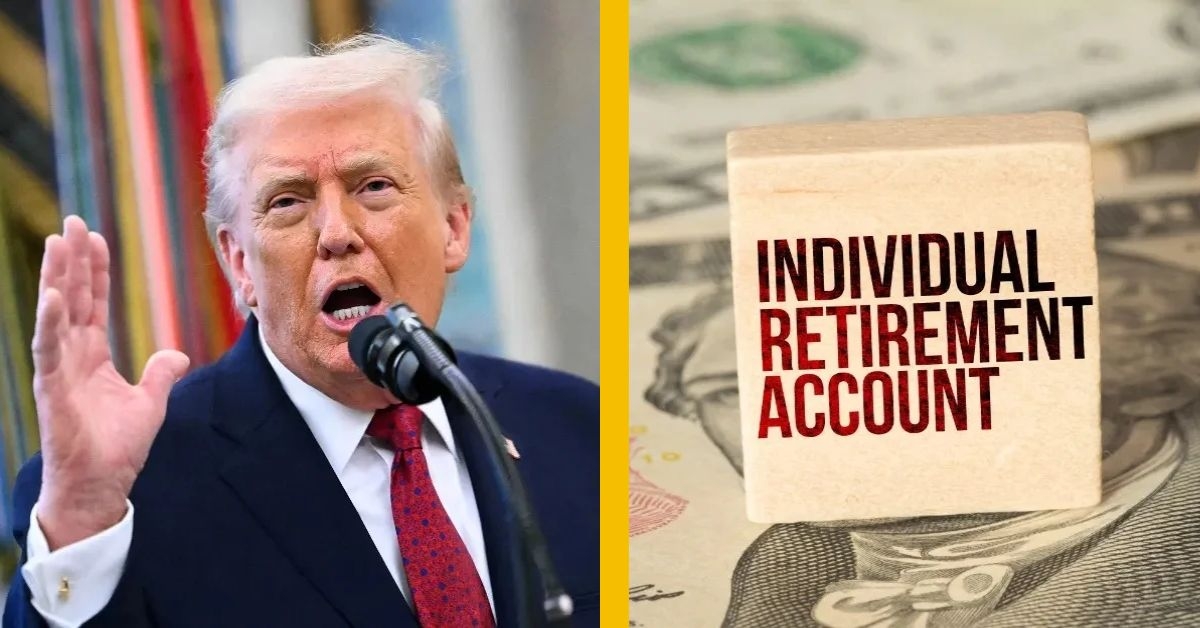
The money you save in retirement accounts can spell the difference between enjoying the golden years of your dreams and merely getting by. So, it is important to protect these funds if you want a stress-free retirement.
However, some people cannot resist the temptation to cash out their 401(k) long before retirement. Here are five reasons why that can be a big mistake.
Now Available: The Definitive Guide to Retirement Income
Many successful investors eventually reach the same moment. The saving is done, the portfolio is built, and the question quietly changes from how much can I grow this to how much can I take out? Get that second question wrong and decades of good investing can come apart in a handful of years.
That is exactly what The Definitive Guide to Retirement Income helps answer.1 <p class="">Investing in securities involves a risk of loss. Past performance is never a guarantee of future returns. Investing in foreign stock markets involves additional risks, such as the risk of currency fluctuations. Guides are provided by Fisher Investments. The publisher may be compensated when readers request a guide.</p> It covers what your retirement could actually cost, which income sources are worth using, and the withdrawal math that decides whether the money lasts. It is free today from Fisher Investments. Read More Here ›
You might owe taxes and penalties
Cashing out your 401(k) prematurely can lead to hefty taxes and penalties. Early withdrawals typically incur a 10% penalty and require you to pay income taxes on the money you receive.
This means that in addition to reducing your retirement savings, you are losing a good chunk of the money you withdraw.
An early withdrawal of $5,000 will be reduced significantly by a $500 penalty, plus whatever income taxes you owe based on your tax bracket.
If you want to start building your net worth, avoid cashing out a 401(k) early.
Your funds will stop working for you
When you withdraw retirement funds early, you get a short-term gain but suffer a long-term loss. Taking money out of your retirement account and spending it means there will be less cash compounding over time.
Once you do this, the money will never compound for you again. Yes, you'll have money in your pocket now. But 20 years from now, you likely will wonder how much that money would have been worth if you had left it to grow in your 401(k).
You might struggle more during retirement
Reducing the amount of money in your retirement account today means you're likely to have a smaller nest egg during your golden years.
If you cash out a 401(k), you will need to replace the lost funds somehow and try to make up for the lost time when the money stopped compounding.
If you are unable to bounce back quickly, retirement might be a struggle, leaving you to worry about outliving your money.
Released: The Definitive Guide to Retirement Income
Most people spend their entire working lives focusing on one thing: growing a pile of money. Then they retire and discover the skill they actually need is close to the opposite. Turning that pile into steady income, year after year, through good markets and bad, without ever running out. It may be the least discussed and most consequential transition in personal finance, and plenty of otherwise careful investors walk into it with no real plan.
That is exactly what The Definitive Guide to Retirement Income helps answer.1 <p class="">Investing in securities involves a risk of loss. Past performance is never a guarantee of future returns. Investing in foreign stock markets involves additional risks, such as the risk of currency fluctuations. Guides are provided by Fisher Investments. The publisher may be compensated when readers request a guide.</p> It is a free guide from Fisher Investments covering what your retirement will really cost, where the cash flow should come from, and how much you can safely withdraw each year. Learn More Here ›
Withdrawn funds aren't protected from bankruptcy or creditors
Federal law generally protects 401(k) funds from creditors and bankruptcy proceedings as long as the retirement plan falls under rules established by the Employee Retirement Income Security Act of 1974 (ERISA).
However, if you withdraw the funds from the account, they no longer qualify for that same protection.
Rolling over money is probably much easier than you fear
Some people cash out their 401(k) because they think it's easier than the headache of rolling over their money to a new 401(k) plan or into an IRA. But rolling over your 401(k) funds is likely to be much less daunting than you fear.
Companies handle these transactions regularly, and they usually make the process simple. So, if you are leaving a job, your plan manager should be able to provide you with all the guidance you need to complete a rollover transaction.
In many cases, this is a relatively simple process, with your company and the company receiving the rollover doing most of the heavy lifting.
Still fear a rollover? If you have saved enough in the account, you might be able to leave it in the 401(k) with the company you are leaving. Ask your human resources department for more details.
Other options for avoiding cashing out a 401(k)
If you are in need of money, looking at all the cash in your 401(k) can be tempting. However, here are some other options to find funds when you need them.
- Use a credit card with a low interest rate. Many credit card companies offer low introductory rates, sometimes even 0%, for the first several months of the account.
- Take out a personal loan. Banks, credit unions, and online lenders offer these types of loans.
- Reduce your living costs. Downsizing might help free up funds in your budget. Getting a roommate, selling your car, or eating at home can all help you save some money.
- Take advantage of government programs. If you are struggling to make ends meet, you might qualify for government assistance programs.
- Start a side hustle. This could help you earn extra income you can use to pay your expenses.
Bottom line
It is a mistake to think of your retirement account as a piggy bank that you can smash open whenever you need quick funds. While it can be tempting to dip into that account, doing so could harm your ability to grow your wealth.
So, consider alternative sources of funding instead of raiding your 401(k) account. If you haven't yet done so, put away money in an emergency fund so you will have a ready source of cash available the next time you need cash fast.
- Huge discounts on travel, groceries, prescriptions and more
- Access to financial planning resources and health tools
- For a limited time, get 55% off 5-year plans
Subscribe Today
Unlock the Best Banking Deals and Bonuses
From high-yield savings accounts to cashback checking and sign-up bonuses, we bring you the best banking offers to grow your money smarter.
Add Us On Google