Add Us On Google

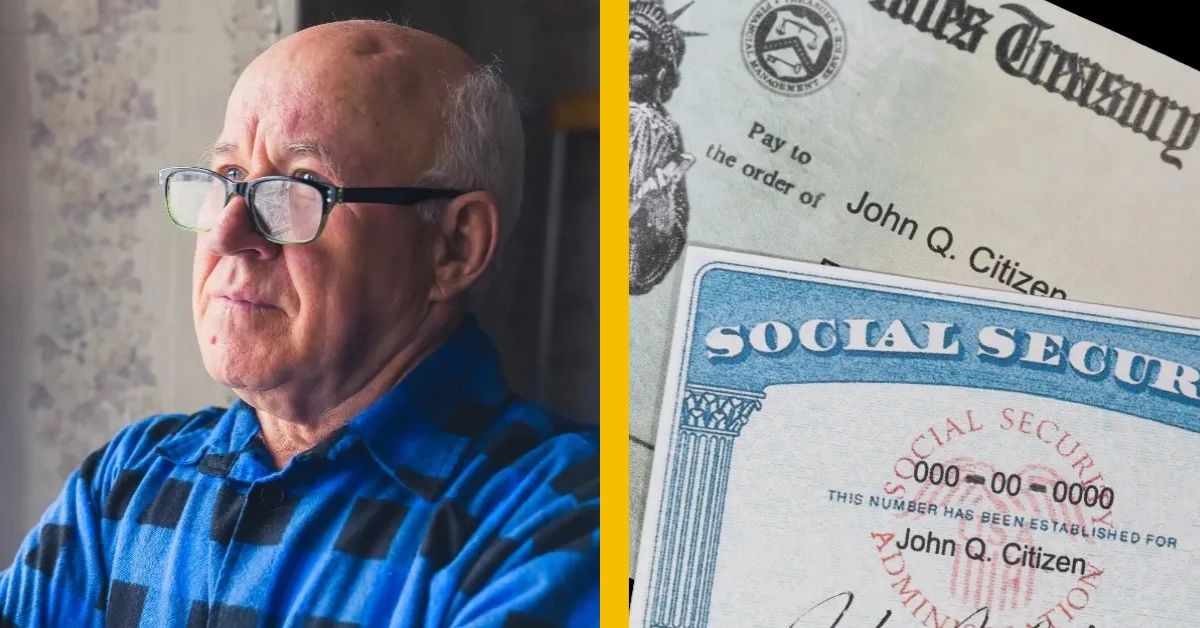
With Social Security benefits a key piece of a senior's retirement income, any time someone from the Trump administration mentions changes to the program, it's important to pay attention.
With the Social Security trust funds projected to face shortfalls in the early 2030s, even offhand remarks about senior benefits seem like veiled threats to a program that supports millions of retirees.
The latest concern stems from recent comments by Social Security Commissioner Frank Bisignano that "everything's being considered" about the program's future. Learn more about what was said, why it matters, and what you can do about it.
Now Available: The Definitive Guide to Retirement Income
Many successful investors eventually reach the same moment. The saving is done, the portfolio is built, and the question quietly changes from how much can I grow this to how much can I take out? Get that second question wrong and decades of good investing can come apart in a handful of years.
That is exactly what The Definitive Guide to Retirement Income helps answer.1 <p class="">Investing in securities involves a risk of loss. Past performance is never a guarantee of future returns. Investing in foreign stock markets involves additional risks, such as the risk of currency fluctuations. Guides are provided by Fisher Investments. The publisher may be compensated when readers request a guide.</p> It covers what your retirement could actually cost, which income sources are worth using, and the withdrawal math that decides whether the money lasts. It is free today from Fisher Investments. Read More Here ›
Why recent political statements matter
Social Security pays retirement benefits to more than 62 million Americans and provides essential income to seniors of all income levels. The program's Trust Funds are projected to be depleted in the early to mid-2030s. When that happens, retirees won't stop receiving benefits. Instead, your monthly benefits will be reduced because the incoming payroll taxes will only be able to cover a percentage of scheduled benefits.
Against that backdrop, any comments from President Trump and his senior officials draw intense scrutiny among retirees. While only Congress can change Social Security law, what administration officials say can influence public expectations and legislative priorities.
What was actually said and what it means
Back in September 2025, when asked on Fox Business whether raising the full retirement age was on the table, Commissioner Frank Bisignano responded, "I think everything's being considered, will be considered." This suggests that the Trump administration is undertaking a broad review of options to strengthen the program's finances. Benefits could be cut. The full retirement age could be delayed. Taxes and taxable income could increase. The solution could be a combination of these ideas or an entirely different approach.
Shortly after, the SSA clarified Bisignano's remarks, noting that raising the retirement age was not currently under active consideration. They reiterated that both he and President Trump are committed to protecting Social Security benefits. One administration social media post quoted Commissioner Bisignano saying, "Let me be clear: President Trump and I will always protect, and never cut, Social Security."
Vice President JD Vance also publicly spoke out against cutting benefits recently, reinforcing confidence that the program will remain intact.
Meanwhile, President Trump has also highlighted other aspects of retirement policy. In his 2026 State of the Union address, he proposed a new government-backed savings plan modeled on the federal Thrift Savings Plan to help workers without employer retirement plans. He also reiterated opposition to taxing Social Security benefits by saying, "Seniors should not pay tax on Social Security!"
It is important to note that none of these remarks constitute actual changes to Social Security benefits, retirement ages, or eligibility rules. Changes occur only when or if Congress passes legislation and the president signs it.
Why Social Security uncertainty worries retirees
Seniors depend on a predictable income when planning for retirement. Social Security is often the largest single source of monthly income for retirees. While monthly expenses are often higher than the monthly benefits of the average senior, you can supplement your income with part-time work, seasonal employment, investments, or rental property income.
When government officials say that "everything's being considered" when it comes to Social Security benefits, questioning if benefits will be there when you retire and how much you'll receive is only normal.
Changes may include benefit levels, eligibility ages, cost-of-living adjustments (COLAs), and more. While younger workers have time to save more for retirement, many near-retirees don't have that luxury. When you're within a few years of retiring, there's limited flexibility to adjust plans if benefit patterns were to shift.
This is especially true if retirement planning already assumes a specific Social Security claiming age, projected monthly income, and health-care cost plan. Even the possibility of changes can trigger stress if your health, age, or caregiving responsibilities make it challenging to return to the workforce at age 67 or 70.
Released: The Definitive Guide to Retirement Income (Sponsor)
Most people spend their entire working lives focusing on one thing: growing a pile of money. Then they retire and discover the skill they actually need is close to the opposite. Turning that pile into steady income, year after year, through good markets and bad, without ever running out. It may be the least discussed and most consequential transition in personal finance, and plenty of otherwise careful investors walk into it with no real plan.
That is exactly what The Definitive Guide to Retirement Income helps answer.1 <p class="">Investing in securities involves a risk of loss. Past performance is never a guarantee of future returns. Investing in foreign stock markets involves additional risks, such as the risk of currency fluctuations. Guides are provided by Fisher Investments. The publisher may be compensated when readers request a guide.</p> It is a free guide from Fisher Investments covering what your retirement will really cost, where the cash flow should come from, and how much you can safely withdraw each year. Learn More Here ›
How potential Social Security changes could affect a middle-class retiree
Consider a couple in their early 60s planning to claim Social Security at full retirement age with an expected combined income of about $3,000 per month from benefits. Should Congress shift the full retirement age later for future retirees, that could delay when you begin receiving full benefits. That would also reduce your monthly income early in retirement, increase your reliance on other savings, or make you delay retirement even longer.
If benefits are cut due to new laws passed by Congress, or if the trust fund runs out of money, you may not have enough money to quit working, and your retirement could look drastically different from what was planned.
Seniors living on a fixed income and a tight budget are aware that even small shifts in the timing of benefits or how much they receive matter greatly.
Steps you can take to protect your retirement plan
You can't control Congressional negotiations, deficit projections, or offhand comments from public officials. But you can control your planning strategy, especially around claiming decisions, emergency reserves, tax efficiency, and diversification of income streams.
Consider reviewing your Social Security claiming strategy with a trusted retirement planner or using SSA's online tools to model different claiming ages.
What to watch in the coming months
Retirees should monitor official proposals from Congress, SSA trust fund projections (issued each year by the Board of Trustees), and public statements by lawmakers and budget committees.
Retirement News: Almost 80% of Americans fear a retirement age increase — here’s the real reason why
Bottom line
Discussions about Social Security's long-term funding are nothing new, and it would be politically difficult for elected officials to make drastic benefit cuts for current beneficiaries, given the size and influence of the retiree voting bloc.
While vague comments can create anxiety for your retirement plan, there is no formal proposal to reduce benefits or change eligibility for people already retired. Stay informed using official government sources and focus your retirement income strategy on what you can plan for now rather than reacting to every headline. Stable planning and verified information remain your best tools for financial confidence in retirement.
More from FinanceBuzz:
- 12 ways to pocket up to $300.
- Are you a homeowner? Get a protection plan on all your appliances.
- 10 little weird hacks Costco shoppers should know.
- Learn how to escape the paycheck-to-paycheck grind.


- Huge discounts on travel, groceries, prescriptions and more
- Access to financial planning resources and health tools
- Join AARP and get 25% off with automatic renewal