 Add Us On Google

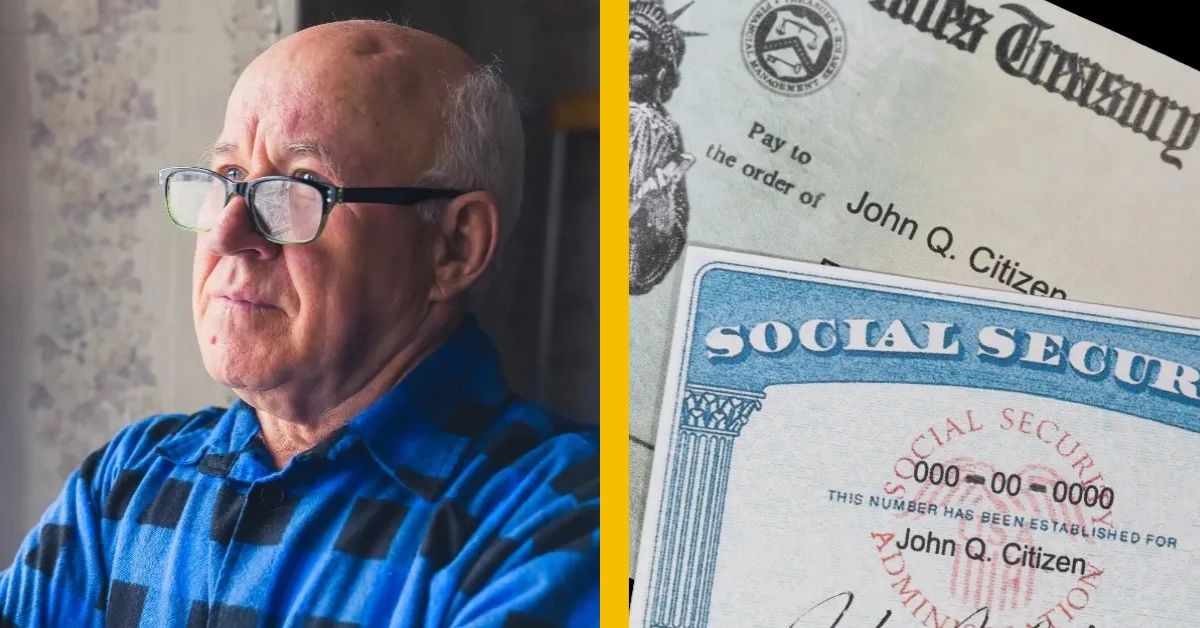
Many retirees depend on every dollar of their Social Security benefits, so even a small reduction can be disruptive. Beginning in June, more than 450,000 seniors might face unexpected cuts to their monthly payments.
The reason? Unpaid student loan debt that is now in default. If you're trying to crush your debt before or during retirement, now is the time to take action.
Now Available: The Definitive Guide to Retirement Income
Many successful investors eventually reach the same moment. The saving is done, the portfolio is built, and the question quietly changes from how much can I grow this to how much can I take out? Get that second question wrong and decades of good investing can come apart in a handful of years.
That is exactly what The Definitive Guide to Retirement Income helps answer.1 <p class="">Investing in securities involves a risk of loss. Past performance is never a guarantee of future returns. Investing in foreign stock markets involves additional risks, such as the risk of currency fluctuations. Guides are provided by Fisher Investments. The publisher may be compensated when readers request a guide.</p> It covers what your retirement could actually cost, which income sources are worth using, and the withdrawal math that decides whether the money lasts. It is free today from Fisher Investments. Read More Here ›
Why might checks be smaller?
Social Security checks can be garnished when federal student loans go unpaid. If a borrower defaults, the government can use the Treasury Offset Program (TOP) to recover the debt by withholding a portion of federal benefits.
This includes reducing Social Security payments, which many retirees rely on to cover essentials. After a multi-year pandemic pause, these offsets are restarting and could impact checks as early as this June.
How many people might be impacted?
A loan goes into default when the delinquency becomes 270 days past due.
According to recent reports, more than 450,000 older borrowers are in default and potentially at risk of losing part of their benefits. These seniors were protected from garnishment during the pandemic-era pause, but that protection ended in May.
With enforcement ramping back up, a large number of retirees could soon be caught off guard.
How much of their benefit could they lose?
The government can legally withhold up to 15% of a person's monthly Social Security benefit if they are in default on a federal student loan. However, it cannot reduce payments below $750 per month.
For retirees already living on a tight budget, even a 15% cut can be substantial. It may create financial strain for those counting on every penny.
Released: The Definitive Guide to Retirement Income (Sponsor)
Most people spend their entire working lives focusing on one thing: growing a pile of money. Then they retire and discover the skill they actually need is close to the opposite. Turning that pile into steady income, year after year, through good markets and bad, without ever running out. It may be the least discussed and most consequential transition in personal finance, and plenty of otherwise careful investors walk into it with no real plan.
That is exactly what The Definitive Guide to Retirement Income helps answer.1 <p class="">Investing in securities involves a risk of loss. Past performance is never a guarantee of future returns. Investing in foreign stock markets involves additional risks, such as the risk of currency fluctuations. Guides are provided by Fisher Investments. The publisher may be compensated when readers request a guide.</p> It is a free guide from Fisher Investments covering what your retirement will really cost, where the cash flow should come from, and how much you can safely withdraw each year. Learn More Here ›
Is this a new policy?
No, this is not a new policy. The federal government has long had the ability to garnish Social Security benefits for unpaid student loans.
However, those garnishments were paused during the COVID-19 pandemic. That pause remained in effect through several policy extensions.
Now, the government has returned to its pre-pandemic rules and resumed the collection process.
How will I know if I might be impacted?
Before reducing your benefits, the government is required to notify you in writing.
You'll receive a letter detailing the offset, indicating what portion of your benefit will be withheld, and that both the offset and negative credit reporting will begin in 65 days.
If you've received such a letter or know you're in default, it's critical to act quickly.
What can I do if I owe money?
If you're in default on a federal student loan, contact your loan servicer or the Department of Education. You may be eligible to apply for a period of deferment or forbearance. Or, you might be able to craft a flexible repayment plan that fits your budget.
Taking action now can stop garnishments and even restore access to full benefits in the future. The longer you wait, the harder it may become to protect your Social Security income.
Retirement News: Almost 80% of Americans fear a retirement age increase — here’s the real reason why
Bottom line
If you're one of the hundreds of thousands of seniors who has defaulted on a student loan, your June Social Security check might be smaller than expected.
While the government can't reduce payments below $750, losing a portion of your benefit can significantly impact your financial stability.
If you're a senior who has student loan debt, this is a good time to review your loan status and take steps to avoid unnecessary financial surprises. Doing so can preserve your income and promote a more stress-free retirement.
More from FinanceBuzz:
- Retire like the rich: 14 ways you could build wealth in your 50s.
- Find out if you could pay less for car insurance in just a few clicks.
- Make these 7 savvy moves when you have $1,000 in the bank.
- 14 moves seniors could benefit from but often forget about.


- Huge discounts on travel, groceries, prescriptions and more
- Access to financial planning resources and health tools
- Join AARP and get 25% off with automatic renewal