

 Add Us On Google

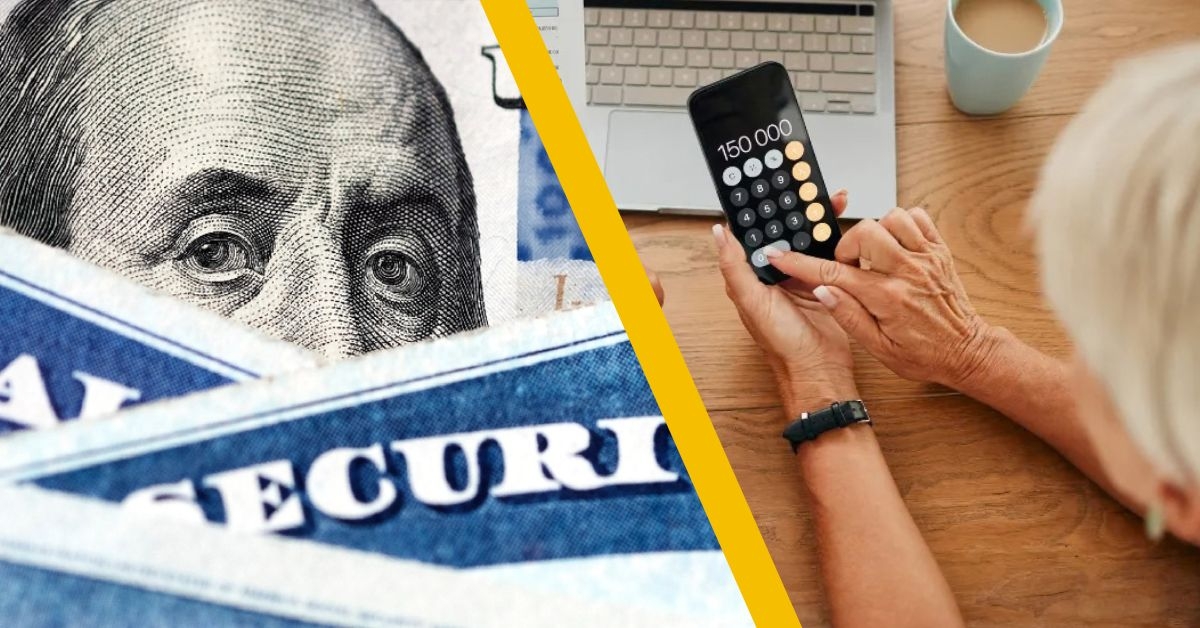
The Social Security Administration (SSA) has announced many changes that could impact the millions of Americans who receive Social Security senior benefits. Each fall, the SSA announces key updates, like the cost-of-living adjustment (COLA) for the following year. These changes affect everything from the size of benefits checks to how much individuals may earn while also collecting benefits, so it's important to stay aware of just what's coming.
Whether you're a retiree or a near-retiree, here's what you should know about the 2027 Social Security changes and how they might affect you.
Set up eligible direct deposit - pocket up to $400
Set up an eligible direct deposit with SoFi Checking and Savings and you could earn a bonus of $50 or $400.1 <p>New and existing Checking and Savings members who have not previously enrolled in Direct Deposit with SoFi are eligible to earn a cash bonus of either $50 (with at least $1,000 total Eligible Direct Deposits received within 25 calendar days of your first Eligible Direct Deposit of $1 or more) OR $400 (with at least $5,000 total Eligible Direct Deposits received within 25 calendar days of your first Eligible Direct Deposit of $1 or more). Cash bonus amount will be based on the total amount of Eligible Direct Deposit received within 25 calendar days of your first Eligible Direct Deposit of $1 or more. If you have satisfied the Eligible Direct Deposit requirements but have not received a cash bonus in your Checking account, please contact us at 855-456-7634 with the details of your Eligible Direct Deposit. Direct Deposit Promotion begins on 5/15/2026 and will be available through 12/31/2026. Full terms at <a href="https://www.sofi.com/banking/">sofi.com/banking</a>. SoFi Checking and Savings is offered through SoFi Bank, N.A., Member FDIC. SoFi members with Eligible Direct Deposit can earn 3.30% annual percentage yield (APY) on savings balances (including Vaults) and 0.50% APY on checking balances. There is no minimum Eligible Direct Deposit amount required to qualify for the 3.30% APY for savings (including Vaults). Members without Eligible Direct Deposit will earn 0.80% APY on savings balances (including Vaults) and 0.50% APY on checking balances. Interest rates are variable and subject to change at any time. These rates are current as of 9/23/26. Fees may reduce earnings. Additional information can be found at <a href="https://d32ijn7u0aqfv4.cloudfront.net/wp/wp-content/uploads/raw/SoFi-Bank-Rate-Sheet-September-23-2026.pdf">http://www.sofi.com/legal/banking-rate-sheet</a>.</p> Make the switch, set up eligible direct deposit, earn the bonus. It basically takes no extra work at all other than following these steps.
Why people are switching: This account earns up to an insane 4.40% APY2 <p>Earn up to 4.40% Annual Percentage Yield (APY) on one SoFi Savings account with a 1.10% APY Boost (added to the 3.30% APY as of 10/20/26) for up to 6 months. Open your first SoFi Checking and Savings account and receive eligible direct deposits OR qualifying deposits of $5,000 every 31 days by 12/31/27. Rates are variable, subject to change. Terms apply at <a href="https://www.sofi.com/banking/#4">sofi.com/banking#4</a>. SoFi Bank, N.A. Member FDIC.</p> on savings for up to six months on new accounts (3.30% APY standard + 1.10% APY boost; terms apply) on top of that $50 or $400 bonus.1 <p>New and existing Checking and Savings members who have not previously enrolled in Direct Deposit with SoFi are eligible to earn a cash bonus of either $50 (with at least $1,000 total Eligible Direct Deposits received within 25 calendar days of your first Eligible Direct Deposit of $1 or more) OR $400 (with at least $5,000 total Eligible Direct Deposits received within 25 calendar days of your first Eligible Direct Deposit of $1 or more). Cash bonus amount will be based on the total amount of Eligible Direct Deposit received within 25 calendar days of your first Eligible Direct Deposit of $1 or more. If you have satisfied the Eligible Direct Deposit requirements but have not received a cash bonus in your Checking account, please contact us at 855-456-7634 with the details of your Eligible Direct Deposit. Direct Deposit Promotion begins on 5/15/2026 and will be available through 12/31/2026. Full terms at <a href="https://www.sofi.com/banking/">sofi.com/banking</a>. SoFi Checking and Savings is offered through SoFi Bank, N.A., Member FDIC. SoFi members with Eligible Direct Deposit can earn 3.30% annual percentage yield (APY) on savings balances (including Vaults) and 0.50% APY on checking balances. There is no minimum Eligible Direct Deposit amount required to qualify for the 3.30% APY for savings (including Vaults). Members without Eligible Direct Deposit will earn 0.80% APY on savings balances (including Vaults) and 0.50% APY on checking balances. Interest rates are variable and subject to change at any time. These rates are current as of 9/23/26. Fees may reduce earnings. Additional information can be found at <a href="https://d32ijn7u0aqfv4.cloudfront.net/wp/wp-content/uploads/raw/SoFi-Bank-Rate-Sheet-September-23-2026.pdf">http://www.sofi.com/legal/banking-rate-sheet</a>.</p> That's way better than the measly 0.38% APY (as of 10/19/26)3 <p>Based on <a href="https://www.fdic.gov/national-rates-and-rate-caps">this</a> FDIC data, as of 6/15/26.</p> national average savings accounts offer.
No monthly fees and no surprises. Open your account and earn up to a $400 bonus
The 2027 COLA
On October 14, the SSA announced a 3.6% COLA for 2027. The COLA helps ensure that benefits keep up with inflation and retain their buying power, and it means that the average Social Security retirement benefit should increase by about $75 per month. About 72 million Social Security beneficiaries should see that benefit go into effect in January 2027, and about 7.3 million Supplemental Security Income (SSI) recipients should see the increase starting on December 31.
"Social Security will implement this cost-of-living adjustment for 76 million Americans, giving them greater financial stability," said Commissioner Frank J. Bisignano.
Though the increase in benefits may appear to be a perk, retirees have already been paying high prices throughout 2026. According to CNBC, the average price of gasoline is up 34.2%, and electricity has increased by 4.4% over the 12 months ending in September 2026. Inflation has taken a toll on many retirees, and the COLA may feel like it's too little, too late.
The earnings test increase
The SSA also announced a change to the annual earnings limit, affecting individuals who choose to claim Social Security while continuing to work before reaching full retirement age. The test applies to individuals who claim benefits after age 62 and before full retirement age; if their earnings exceed a threshold, the SSA temporarily withholds a portion of their benefits.
In 2026, that threshold was $24,480 for individuals under full retirement age, and the SSA announced it should increase to $25,560 in 2027. For every $2 an individual earns above the limit, $1 of benefits is withheld. The threshold is much higher in the year that individuals reach full retirement age. In 2027, that threshold increases to $67,920, and $1 in benefits is withheld for every $3 above the limit earned.
The benefits that are withheld aren't forfeited. Once an individual reaches full retirement age, the SSA recalculates their monthly Social Security benefits to include the benefits that had been previously withheld. Though the withheld benefits aren't repaid in a lump sum, individuals receive a slightly higher monthly benefit.
Taxable wage base increase
A change in the taxable wage base could affect higher earners in 2027. According to the SSA, the maximum taxable earnings limit is increasing from the current $184,500 to $192,300 in 2027. For individuals earning more than $184,500 per year, the increase means that more of their income may be subject to the Social Security payroll tax.
Workers pay a 6.2% payroll tax, which is matched by employers. Self-employed workers pay the full tax of 12.4%. If an individual earns $192,300 annually and is traditionally employed, the increased cap could cost the individual an extra $483.60 per year. If that individual is self-employed and earns $192,300, the cap could cost them an extra $967.20 in taxes per year.
If you’re over 50, take advantage of massive discounts and financial resources
Over 50? Join AARP today— because if you’re not a member you could be missing out on huge perks. When you start your membership today, you can get discounts on things like travel, meal deliveries, eyeglasses, prescriptions that aren’t covered by insurance and more.
Start your membership by creating an account here and filling in all of the information (Do not skip this step!) Doing so will allow you to take up to 25% off your AARP membership, making it just $15 the first year with auto-renewal.
The full retirement age milestone
2027 also marks the completion of a key change for the Social Security program. In 1983, Congress passed legislation to gradually increase the full retirement age, boosting it from 65 to 67. The change reflected the fact that, since the program's founding in 1935, average life expectancy had increased.
The change in the retirement age was phased in very gradually, increasing the full retirement age by two months per year. In 2027, the last group of people affected - those born in 1960 - reach their full retirement age, completing the phase-in of that change.
The Medicare Part B premium increase
While not a direct component of the Social Security program, Social Security beneficiaries are likely to feel the increase in Medicare Part B premiums. Medicare Part B premiums are deducted from Social Security benefits, so those premiums could quickly eat into any increase provided by the COLA.
The Medicare Trustees Report projected that the standard Part B premium may increase from $202.90 per month to $209.50 per month in 2027, an increase of $6.60 per month.
Changes to the annual Medicare Part D out-of-pocket drug cap could also take a toll on retirees. The 2026 cap of $2,100 is scheduled to increase to $2,400 in 2027, while the standard deductible increases from $615 to $700. Such expenses could quickly consume part of the 2027 Social Security benefits increase.
Bottom line
According to the SSA, individuals who haven't enrolled in paperless notices using their my Social Security accounts should receive a COLA notice in the mail in December. Alternatively, you may log into your my Social Security account beginning in late November to see your COLA notice, including your projected 2027 benefits amount.
As these program changes roll out, it may be a good idea to revisit your budget and your retirement plan to make any adjustments needed.
More from FinanceBuzz:
- Retire like the rich: 14 ways you could build wealth in your 50s.
- Find out if you could pay less for car insurance in just a few clicks.
- Make these 7 savvy moves when you have $1,000 in the bank.
- 14 moves seniors could benefit from but often forget about.


- Huge discounts on travel, groceries, prescriptions and more
- Access to financial planning resources and health tools
- Join AARP and get 25% off with automatic renewal