Add Us On Google

With year-round warm weather, frequently sunny skies, and a fascinating regional landscape, it makes sense that Arizona is calling your name now that you're reaching retirement. But if moving states is part of your plan to stretch your retirement dollars further, the Grand Canyon State might not be the best fit.
Arizona's overall cost of living is 6% higher than the national average, meaning it could stretch snowbirds' retirement budgets to the limit.
Fortunately, if sunny skies and an affordable retirement are on your bucket list, there are plenty of warm-weather alternatives to Arizona. Keep reading for our list of the top states to consider.
Editor's note: Unless otherwise noted, all cost-of-living data comes from Salary.com.
Now Available: The Definitive Guide to Retirement Income
Many successful investors eventually reach the same moment. The saving is done, the portfolio is built, and the question quietly changes from how much can I grow this to how much can I take out? Get that second question wrong and decades of good investing can come apart in a handful of years.
That is exactly what The Definitive Guide to Retirement Income helps answer.1 <p class="">Investing in securities involves a risk of loss. Past performance is never a guarantee of future returns. Investing in foreign stock markets involves additional risks, such as the risk of currency fluctuations. Guides are provided by Fisher Investments. The publisher may be compensated when readers request a guide.</p> It covers what your retirement could actually cost, which income sources are worth using, and the withdrawal math that decides whether the money lasts. It is free today from Fisher Investments. Read More Here ›
Florida
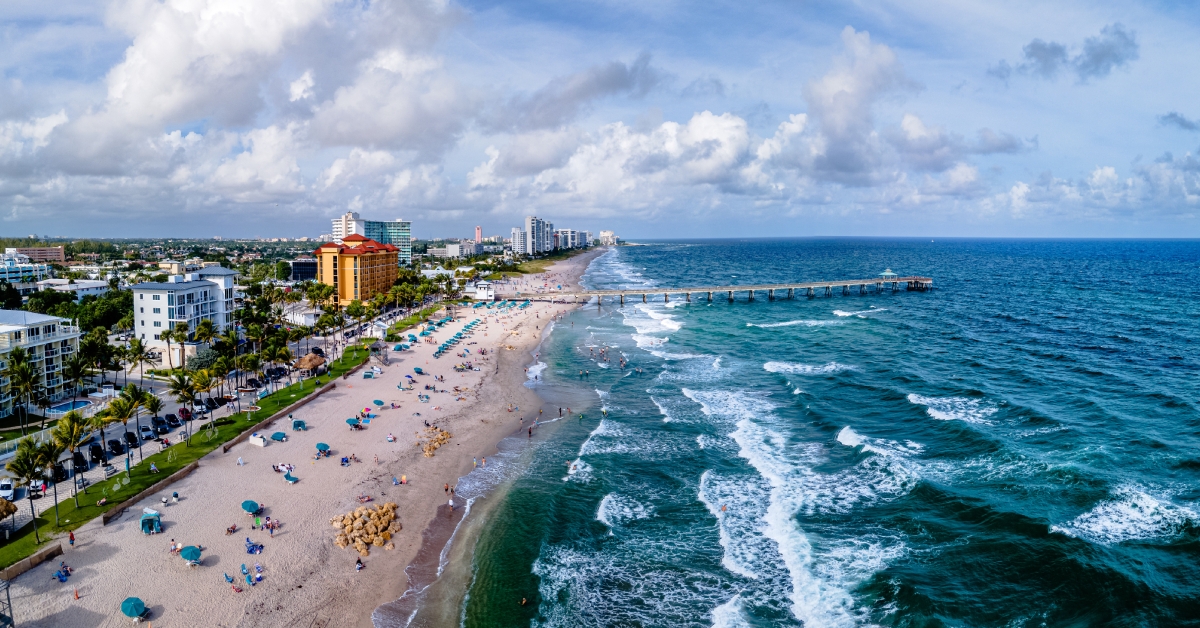
If you love the sun but prefer the sea to the high desert, Florida is easily the top Arizona alternative. The Sunshine State is actually the ninth-sunniest state in the nation (Arizona takes first place), but with 2,927 sunny hours a year, Florida still gives snowbirds plenty of clear skies.
While Florida as a whole has a 2% higher cost of living than the rest of the nation, cities like Gainesville and Lakeland have below-average costs. Looking outside the major urban areas to beach towns like Pensacola, which has a cost of living that's 5% below the national average, could yield major savings.
Texas
As a Gulf Coast state with a vast interior, Texas is ideal for beach-goers and desert-lovers alike. Crucially, the state's cost of living is 7% below the national average, with housing costs a full 16% lower than average.
If you choose to move to Texas, you'll have plenty of company. Texas was the No. 1 growth state of 2025 in the U-Haul Growth Index, which tracks one-way moves into and out of each state. It's the seventh time in 10 years that Texas has claimed the top spot. And while the state doesn't earn high ratings for health care and other categories, its low costs and diverse landscape should keep it on your radar.
Nevada
Is your heart set on retiring to the Southwest? Nevada is probably your best bet. It's nearly as sunny and just as dry. It's also home to Las Vegas, a regional hub for shopping, concerts, culture, and cuisine.
Nevada's cost of living falls squarely at the U.S. average. You won't pay less to live in Nevada, especially if you live in a big city, but it's likely you may not pay more.
Released: The Definitive Guide to Retirement Income
Most people spend their entire working lives focusing on one thing: growing a pile of money. Then they retire and discover the skill they actually need is close to the opposite. Turning that pile into steady income, year after year, through good markets and bad, without ever running out. It may be the least discussed and most consequential transition in personal finance, and plenty of otherwise careful investors walk into it with no real plan.
That is exactly what The Definitive Guide to Retirement Income helps answer.1 <p class="">Investing in securities involves a risk of loss. Past performance is never a guarantee of future returns. Investing in foreign stock markets involves additional risks, such as the risk of currency fluctuations. Guides are provided by Fisher Investments. The publisher may be compensated when readers request a guide.</p> It is a free guide from Fisher Investments covering what your retirement will really cost, where the cash flow should come from, and how much you can safely withdraw each year. Learn More Here ›
Georgia
Is affordability more important to you than dry weather? Retiring to Georgia could definitely suit your budget, but you'll need to be okay with humidity. Georgia may be the tenth-sunniest state in the nation, but its average humidity is 71.1% (Arizona's is 38.5%).
Georgia's cost of living is 9% below the national average, and tax breaks help make the state affordable for retirees living on a fixed income.
Arkansas
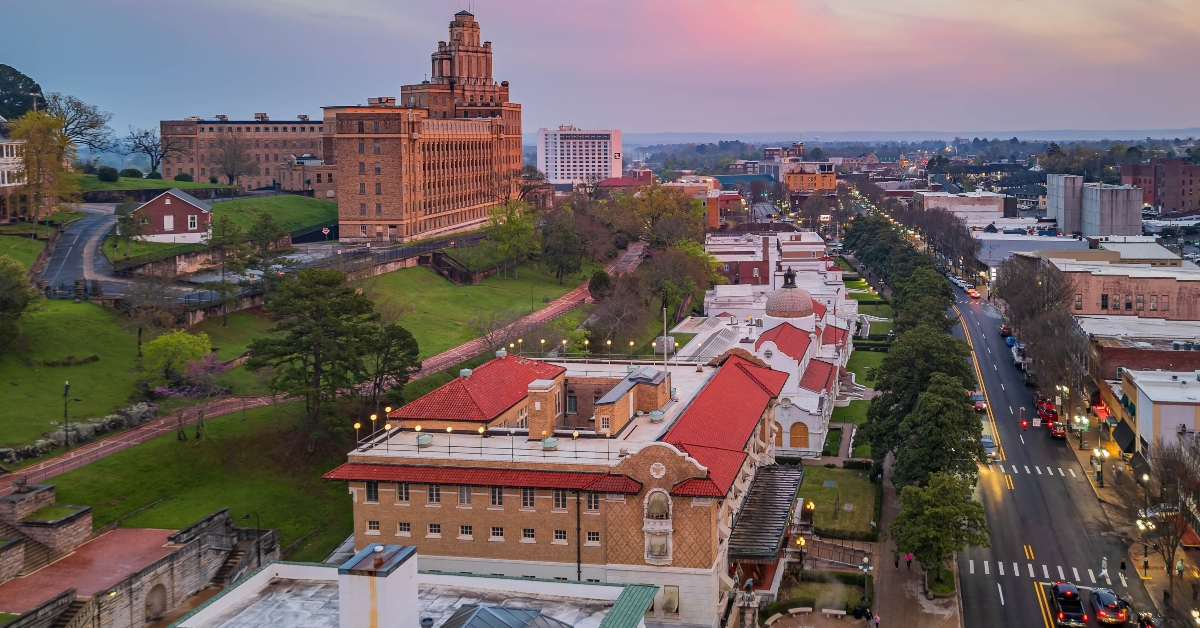
Arkansas is one of the cheapest states in the country, and its average cost of living is 11% lower than the norm. Unlike Arizona, Arkansas has four distinct seasons, and winters often get snowy and chilly.
But if getting outdoors is your goal, Arkansas might be a better choice: spring, summer, and fall are relatively temperate in Arkansas. In contrast, Arizona's summers are often dangerously hot, which could put a damper on your plans to enjoy an active outdoor retirement.
Colorado
Colorado is closer to Arizona on the map than many states on our list, but it has some striking differences, starting with its world-famous mountains and snow. It's pricier than southern state alternatives, and like Arizona, its cost of living is above average, at 3% higher than the national norm.
But Colorado and Arizona have a few surprising similarities, too. Colorado is the fourth-sunniest state with 136 average clear days per year (more than both Hawaii and Florida). Weather-wise, even if you're wary of snow, Colorado could be worth considering.
Retirement News: Almost 80% of Americans fear a retirement age increase — here’s the real reason why
West Virginia
With a cost of living 15% below the national average, West Virginia is easily the most affordable state on our list. Housing is 33% cheaper than the national norm, which should put it within budget for renters and homeowners alike.
If you opt for West Virginia, you'll see far more green than you would in Arizona. The Appalachian Mountains crisscrossing the state are brilliantly colored in the fall and a beautiful place to explore in the summer.
New Mexico
If neither Arizona nor Nevada works for you, New Mexico is the next-best choice to remain in the sunny southwest. It's also the cheapest of the three states, and its housing costs are 17% below average. Bigger cities like Santa Fe could be a little more expensive, but you should save enough money living in cheaper, smaller towns to enjoy the occasional vacation, even on a fixed income.
Bottom line
You could maximize your retirement savings without giving up your dream of retiring to a place you'll love during your golden years. If any of these states appeal to you, consider booking a road trip to survey its most affordable cities, tour a few homes or apartments, and see popular attractions.
With some planning and research, you'll soon find yourself enjoying your new home, no matter how near or far it is from Arizona.
More from FinanceBuzz:
- Retire like the rich: 14 ways you could build wealth in your 50s.
- Find out if you could pay less for car insurance in just a few clicks.
- Make these 7 savvy moves when you have $1,000 in the bank.
- 14 moves seniors could benefit from but often forget about.








- Huge discounts on travel, groceries, prescriptions and more
- Access to financial planning resources and health tools
- Join AARP and get 25% off with automatic renewal