Add Us On Google

Berkshire Hathaway ended the first quarter of 2026 with about $397 billion in cash, cash equivalents, and short-term U.S. Treasury bills. But that figure has since declined as the company put more money to work. By Sept. 30, Berkshire held approximately $356.9 billion in cash, cash equivalents, and short-term U.S. Treasury bills, after accounting for unsettled purchases.
The company also shifted from selling more stock than it bought to becoming a net buyer in Q2. It has continued buying shares and repurchasing its own stock, even as it maintains an enormous cash reserve.
That's a more complicated signal from the company Warren Buffett built, especially for people considering investing after a long market run. It doesn't say "crash," but it does suggest Berkshire remains selective about where it puts its money.
Warren Buffett is now chairman emeritus, Howard G. Buffett is chairman, and Greg Abel is CEO. Here's what Berkshire's latest moves may mean for ordinary investors and those ready to start investing.
Now Available: The Definitive Guide to Retirement Income
Many successful investors eventually reach the same moment. The saving is done, the portfolio is built, and the question quietly changes from how much can I grow this to how much can I take out? Get that second question wrong and decades of good investing can come apart in a handful of years.
That is exactly what The Definitive Guide to Retirement Income helps answer.1 <p class="">Investing in securities involves a risk of loss. Past performance is never a guarantee of future returns. Investing in foreign stock markets involves additional risks, such as the risk of currency fluctuations. Guides are provided by Fisher Investments. The publisher may be compensated when readers request a guide.</p> It covers what your retirement could actually cost, which income sources are worth using, and the withdrawal math that decides whether the money lasts. It is free today from Fisher Investments. Read More Here ›
Berkshire is sitting on a historic cash pile
Berkshire's cash and short-term Treasury holdings remain enormous, even after falling from approximately $397.4 billion at the end of Q1 to about $356.9 billion at the end of Q3.
That's more than a typical rainy-day fund. It gives Berkshire considerable flexibility to move quickly if markets fall, a major company needs capital, or an attractive acquisition opportunity emerges.
But Berkshire isn't simply waiting. The company repurchased approximately $4.5 billion of its own shares in Q2 and another $9.6 billion in Q3, showing it's willing to deploy capital when management sees value.
Valuation measures look stretched again
One reason for caution is the so-called "Warren Buffett Indicator," which compares total U.S. stock market value with the size of the economy. Reuters reported a reading around 217% in spring 2026. Investopedia has also noted Buffett's historical warning about elevated readings approaching 200%.
The S&P 500 wasn't cheap by other measures either. Its forward P/E was approximately 20.9 as of May 2026, above its five-year average of 19.9 and 10-year average of 18.9.
Elevated valuations don't predict exactly when a downturn will happen, but they can limit future return potential if earnings don't keep pace with stock prices.
Cash is earning real money while Berkshire waits
Berkshire's cash isn't sitting in a checking account earning nothing. Much of it is invested in short-term U.S. Treasury bills, which provide income while keeping capital relatively accessible.
Its Q3 cash flow statement reported approximately $9.256 billion in discount accretion on investments, principally Treasury bills, for the first nine months of 2026. That's an accounting measure, not cash interest received, so it shouldn't simply be treated as a guaranteed annual income figure.
Buffett told CNBC on March 31 that a recent market pullback was "nothing," referring to a decline of only about 5% or 6% from recent highs. The broader point: Berkshire can earn returns on Treasuries while waiting for more attractive investment opportunities.
Released: The Definitive Guide to Retirement Income (Sponsor)
Most people spend their entire working lives focusing on one thing: growing a pile of money. Then they retire and discover the skill they actually need is close to the opposite. Turning that pile into steady income, year after year, through good markets and bad, without ever running out. It may be the least discussed and most consequential transition in personal finance, and plenty of otherwise careful investors walk into it with no real plan.
That is exactly what The Definitive Guide to Retirement Income helps answer.1 <p class="">Investing in securities involves a risk of loss. Past performance is never a guarantee of future returns. Investing in foreign stock markets involves additional risks, such as the risk of currency fluctuations. Guides are provided by Fisher Investments. The publisher may be compensated when readers request a guide.</p> It is a free guide from Fisher Investments covering what your retirement will really cost, where the cash flow should come from, and how much you can safely withdraw each year. Learn More Here ›
The Alphabet stake shows Berkshire is not frozen
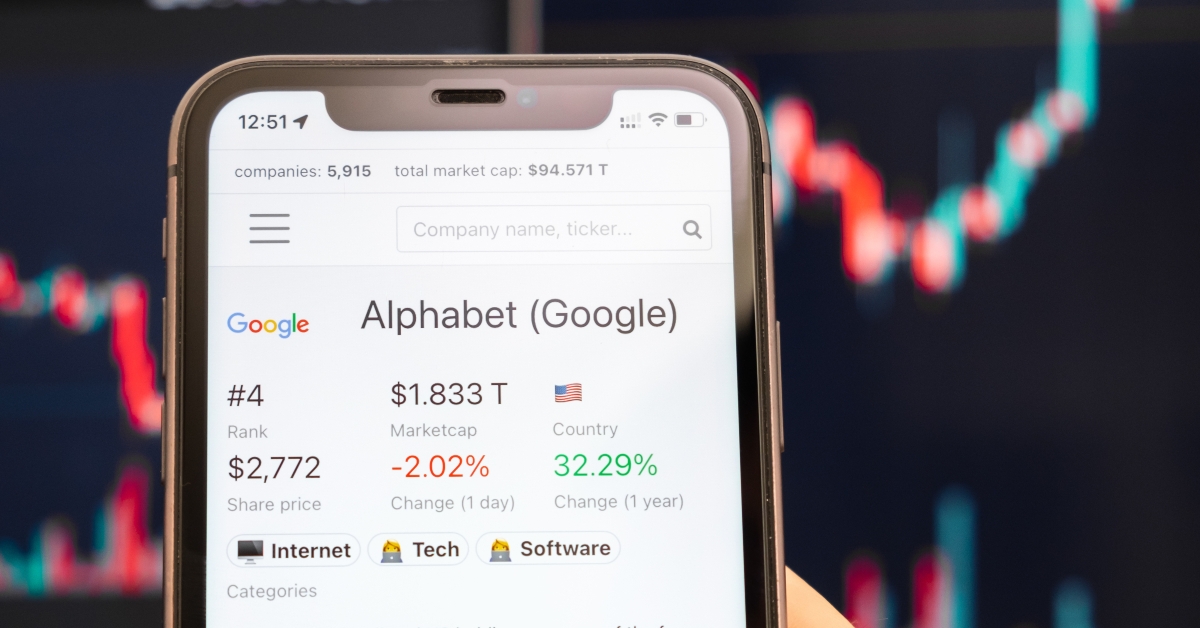
Berkshire hasn't stopped investing. During Q1 2026, it more than tripled its Alphabet Class A position to approximately 54 million shares, worth about $15.6 billion at quarter-end, and established a smaller Class C position. It added approximately 48.1 million shares during Q2, bringing its combined holdings to nearly 106 million shares by June 30.
The investment gives Berkshire exposure to a company with major businesses in digital advertising, cloud computing, and artificial intelligence. These are the latest publicly confirmed holdings, as Berkshire's September 30 holdings are typically disclosed in mid-November.
That doesn't cancel the caution signal. It refines it. Berkshire is willing to buy when it sees value, but its substantial cash reserve and selective purchases suggest it isn't chasing every rising stock.
Bottom line
Berkshire's enormous cash pile doesn't guarantee a crash, and it shouldn't push retirees or pre-retirees into emotional selling.
But the company's recent activity offers a useful reminder: Even a successful investor like Berkshire's management doesn't have to put every available dollar into stocks. Its net buying, share repurchases, and substantial Treasury holdings show that capital allocation can take several forms.
For everyday investors, this could be a good time to review whether a portfolio depends too heavily on stocks continuing to rise. Diversification, an appropriate cash reserve, and a long-term plan are more important for building your wealth than trying to predict the next market correction.
This article is for informational purposes only and should not be considered investment advice.
More from FinanceBuzz:
- Retire like the rich: 14 ways you could build wealth in your 50s.
- Find out if you could pay less for car insurance in just a few clicks.
- Make these 7 savvy moves when you have $1,000 in the bank.
- 14 moves seniors could benefit from but often forget about.








- American Hartford Gold helps individuals protect their retirement by rolling over IRAs and 401(k)s into physical gold.
- Includes FREE IRA rollover and storage for up to 3 years.
- Get up to $20,000 in free silver on qualifying purchases.