Retirement Retirement Planning

Within 10 Years of Retirement? 10 Things To Do Now

Smart planning in your 50s and early 60s could help you avoid costly mistakes and build the foundation for a secure retirement.

A happy woman
Updated May 20, 2025
Fact check checkmark icon Fact checked
Google Logo Add Us On Google info

Even if retirement still feels a decade away, the 10-year window before you stop working is a pivotal time to get serious about planning. The decisions you make during this period about your finances and lifestyle will shape your comfort and stability far into retirement.

It's also when many people overlook crucial opportunities, like forgotten senior benefits, that could make a big difference.

Throughout this guide, we'll discuss the most important steps you need to take now to avoid regrets later.

Now Available: The Definitive Guide to Retirement Income

Many successful investors eventually reach the same moment. The saving is done, the portfolio is built, and the question quietly changes from how much can I grow this to how much can I take out? Get that second question wrong and decades of good investing can come apart in a handful of years.

That is exactly what The Definitive Guide to Retirement Income helps answer.1 It covers what your retirement could actually cost, which income sources are worth using, and the withdrawal math that decides whether the money lasts. It is free today from Fisher Investments. Read More Here ›

Estimate your retirement income and expenses

WavebreakmediaMicro/Adobe senior man showing documents

Getting a clear picture of your future finances starts with knowing what you're likely to spend and what you can expect to earn. Start by estimating your annual retirement expenses, like housing, healthcare, food, and discretionary spending.

Then, compare this number to your income sources, like Social Security and pensions. Online calculators and planning tools can help, or you might consider working with a financial advisor.

Max out retirement contributions

Khongtham/Adobe couple figure standing on top of coin stack

Now is the time to supercharge your retirement savings. When you turn 50, you become eligible for "catch-up contributions." These extra contributions allow you to put more into your 401(k) than a younger worker could, allowing you to "catch up" (or get ahead). Increasing your contributions can help pad out your retirement later, even if you're on schedule.

Pay down high-interest debt

Anna/Adobe hands with a calculator and utility bills

Carrying debt into retirement can significantly strain finances, especially if that debt has a high interest rate. Focus on eliminating credit card balances, personal loans, and other high-cost debt while you're still working. Reducing debt can help free up more money in retirement for essentials and emergencies.

Released: The Definitive Guide to Retirement Income

Most people spend their entire working lives focusing on one thing: growing a pile of money. Then they retire and discover the skill they actually need is close to the opposite. Turning that pile into steady income, year after year, through good markets and bad, without ever running out. It may be the least discussed and most consequential transition in personal finance, and plenty of otherwise careful investors walk into it with no real plan.

That is exactly what The Definitive Guide to Retirement Income helps answer.1 It is a free guide from Fisher Investments covering what your retirement will really cost, where the cash flow should come from, and how much you can safely withdraw each year. Learn More Here ›

Review your health insurance options

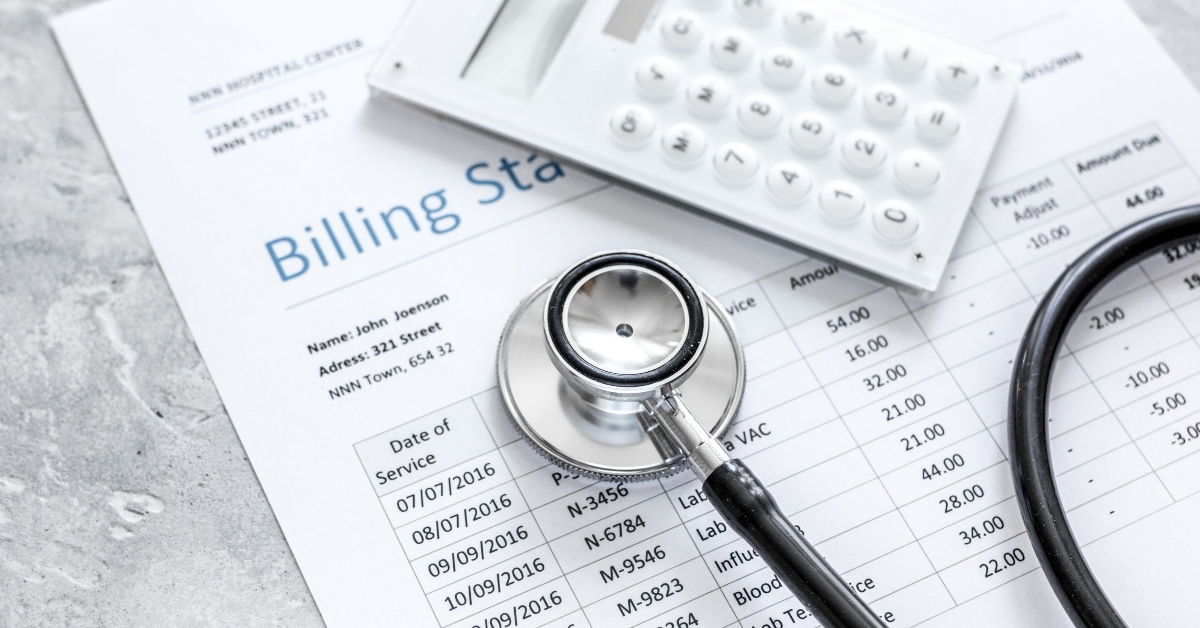
9dreamstudio/Adobe medical treatmant billing statement

Health coverage is one of the largest expenses in retirement. The average, healthy 65-year-old couple can expect to spend over $395,000 on healthcare costs in retirement. If you retire before you're eligible for Medicare, you can expect to spend even more. Once you qualify, it's important to understand what Medicare covers and doesn't! Many retirees add a supplemental plan (Medigap) or Medicare Advantage to help cover out-of-pocket costs.

Revisit your investment allocation

insta_photos/Adobe Crypto trader investor broker

As you get closer to retirement, you may need to adjust your portfolio. For instance, a heavy focus on stocks can expose you to risks you can't afford to take so close to retirement. Consider shifting to a more balanced mix of assets over the last ten years leading to retirement. You'll slowly want to prioritize stability over growth.

Build an emergency fund for retirement

Parichart/Adobe large stacks of coins

Unexpected expenses don't stop once you retire! Having a dedicated emergency fund that's separate from your regular retirement accounts can help you pay for unforeseen costs and even cover regular expenses during a market downturn. Aim to set aside three to six months' expenses in a liquid, accessible account.

Create a plan for Social Security

JohnKwan/Adobe Social Security and retirement income

Claiming Social Security can significantly affect how much you receive each month. While you can start as early as age 62, waiting until your full retirement age (or even waiting until 70) can impact how much you receive. Consider your health, other income sources, and whether you can continue to work.

Consider downsizing or relocating

WavebreakmediaMicro/Adobe senior couple looking at laptop

Housing can be one of the biggest monthly expenses in retirement, and you may need to adjust how much you pay to make retirement feasible. If you live in a larger home than you need or one that is expensive to maintain, downsizing could free up equity and reduce ongoing costs. You could also consider relocating to a lower-cost area or moving closer to family, now that you don't have to worry about the commute.

Organize your legal documents

Phushutter/Adobe Stack of documents, pile of papers on office desk

Make sure all your legal affairs are in order as you approach retirement. Keep key documents on hand, like a will, power of attorney, and healthcare directive. These outline your wishes if you should no longer be able to communicate well. There are other things you may want to consider setting up, too, like a trust or estate plan.

Get instant access to hundreds of discounts

Over 50? Join AARP today— because if you’re not a member you could be missing out on huge perks like discounts on travel, dining, and even prescriptions.

Get 25% off membership — just $15 for your first year with auto-renewal — and a free gift if you join today.

Become an AARP member now

Track and trim your spending habits

WavebreakmediaMicro/Adobe senior couple calculating bills

The decade before retirement is the perfect time to get a handle on where your money goes. Start by tracking your monthly spending, either the old-fashioned way or with an app. Then, look for areas where you can safely cut back without sacrificing your quality of life. Minor adjustments, like removing extra subscriptions, can add up over time.

Bottom line

WavebreakmediaMicro/Adobe senior couple looking at each other

The 10 years before retirement are a great time to ensure your finances are in order. Taking proactive steps now, like paying down debt and adjusting your investments, can make retirement smoother when you get there.

One often-overlooked detail: Required Minimum Distributions (RMDs) from most retirement accounts begin at age 73. Plan when you'll withdraw these funds and how to pay their taxes. Working with a financial planner can help you mitigate your tax responsibility and avoid wasting your retirement savings.


Financebuzz logo

Thanks for subscribing!

Please check your email to confirm your subscription.