Add Us On Google

Many people set up a 401(k) retirement plan at work, and they diligently contribute to it every year. However, retirement planning doesn't stop when you leave work for the last time. In fact, making sure your nest egg lasts for the duration of your retirement takes time, careful planning, and thoughtful money management.
Here are some of the biggest mistakes people make in their first year of retirement.
Now Available: The Definitive Guide to Retirement Income
Many successful investors eventually reach the same moment. The saving is done, the portfolio is built, and the question quietly changes from how much can I grow this to how much can I take out? Get that second question wrong and decades of good investing can come apart in a handful of years.
That is exactly what The Definitive Guide to Retirement Income helps answer.1 <p class="">Investing in securities involves a risk of loss. Past performance is never a guarantee of future returns. Investing in foreign stock markets involves additional risks, such as the risk of currency fluctuations. Guides are provided by Fisher Investments. The publisher may be compensated when readers request a guide.</p> It covers what your retirement could actually cost, which income sources are worth using, and the withdrawal math that decides whether the money lasts. It is free today from Fisher Investments. Read More Here ›
Overspending and withdrawing too much when retirement begins
Finally getting to retire is exciting, but one of the biggest money mistakes people make is going overboard when it begins. Sometimes, people withdraw too much from their 401(k)s to travel, make home repairs, or buy a new vehicle. Withdrawing too much too early in retirement can hurt your portfolio's growth for years to come. Instead, carefully plan your withdrawals each year to ensure that your nest egg lasts throughout your retirement. Many financial experts recommend the 4% rule.
Getting a larger-than-expected tax bill
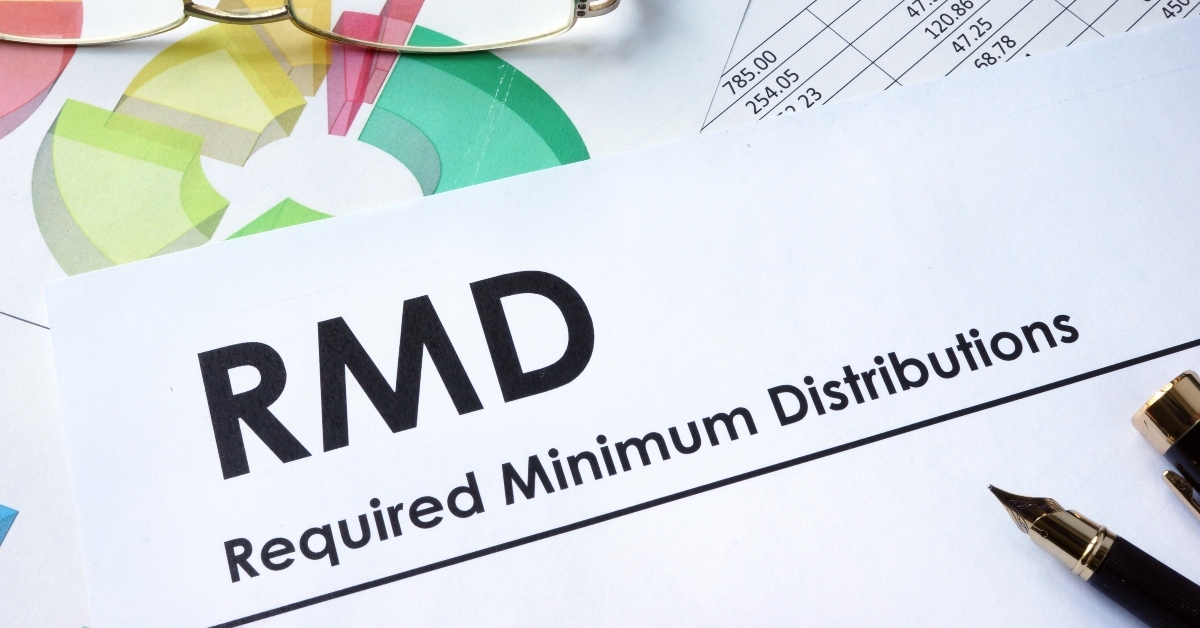
Another mistake retirees make is underestimating their tax bills. After all, many people are used to getting a paycheck where their employer withholds taxes and tax payments are predictable year to year. In retirement, though, withdrawing too much or missing a required minimum distribution deadline can have consequences. The required minimum distribution age is now 73, not 72. Consulting a tax professional can help retirees avoid missing important windows that could affect their future tax liability.
Underestimating the cost of healthcare and missing the Medicare window
Many people assume that their health care costs will go down in retirement because they're able to enroll in Medicare. However, a recent Fidelity report shows that retirees spend an average of $185,500 out of pocket on health care. These costs can be unpredictable, which is why it helps for retirees to set money aside specifically for their healthcare needs. Additionally, although enrolling in Medicare can help with many medical expenses, missing the enrollment can result in penalties. That's why it's helpful to set reminders for important enrollment days that you may have a few months after retirement begins.
Released: The Definitive Guide to Retirement Income
Most people spend their entire working lives focusing on one thing: growing a pile of money. Then they retire and discover the skill they actually need is close to the opposite. Turning that pile into steady income, year after year, through good markets and bad, without ever running out. It may be the least discussed and most consequential transition in personal finance, and plenty of otherwise careful investors walk into it with no real plan.
That is exactly what The Definitive Guide to Retirement Income helps answer.1 <p class="">Investing in securities involves a risk of loss. Past performance is never a guarantee of future returns. Investing in foreign stock markets involves additional risks, such as the risk of currency fluctuations. Guides are provided by Fisher Investments. The publisher may be compensated when readers request a guide.</p> It is a free guide from Fisher Investments covering what your retirement will really cost, where the cash flow should come from, and how much you can safely withdraw each year. Learn More Here ›
Not keeping a cash reserve on hand to help during a downturn
Without a cash reserve, people may go into credit card debt or withdraw from their retirement accounts during a market downturn. Having cash on hand is helpful for taking care of life's unexpected expenses, whether you have to unexpectedly go to the emergency room or pay for a large home repair. If your only option is to withdraw from your retirement account when you need money, you risk withdrawing too much too soon. If this happens in your first year of retirement during a market downturn, it can create a sequence of returns risk, which means that withdrawing too much now can hurt your retirement account returns for decades to come.
Not taking the time to understand your retirement accounts
Another mistake people make is not taking the time to understand the different types of retirement accounts. For example, many people use the early years of retirement, when their income is lower, to complete a Roth conversion. Whether or not this is a good idea for you will depend on your individual situation and your income in retirement. However, without knowledge of the differences between traditional and Roth accounts, you could miss an important conversion window that happens early in your retirement years.
Relocating or buying a vacation home before you're used to retirement
Retiring is a major life transition. It takes people time to get comfortable moving from a salaried income to a fixed income. Many people make huge financial decisions, like relocating or buying a vacation home, before they're even used to retirement. Using your first year of retirement to settle in and see what you like and don't like about it is an important step to take before deciding to move across the country or purchase a large asset.
Retirement News: Almost 80% of Americans fear a retirement age increase — here’s the real reason why
Not being emotionally prepared for retirement.
Being financially prepared for retirement is important, but being emotionally prepared for it matters too. Much like other big transitions in your life, like getting married or heading off to college, retiring is a new beginning. However, like many new beginnings, it can take some adjustment time. Working with a financial advisor who can walk you through your withdrawals, timing your first required minimum distributions, and giving you input on your larger purchases can help you navigate your first year of retirement successfully.
Bottom line
When you're younger, making financial mistakes doesn't seem like a big deal because you have a long time Horizon to correct any savings or investing errors. However, your first year of retirement is extremely important from both a financial and a personal perspective. That's why it's important to make a plan early on, track your spending, and get advice if you need it.
More from FinanceBuzz:
- 12 ways to pocket up to $300.
- Are you a homeowner? Get a protection plan on all your appliances.
- 10 little weird hacks Costco shoppers should know.
- Learn how to escape the paycheck-to-paycheck grind.








- Huge discounts on travel, groceries, prescriptions and more
- Access to financial planning resources and health tools
- For a limited time, get 55% off 5-year plans