Saving & Spending Home & Auto

5 U.S. Cities Where Buying is Cheaper Than Renting (and 5 Where You’ll Save by Renting)

Learn about five cities where it's actually cheaper to buy a house than rent an apartment, plus five more cities where renting will dramatically lower your month-to-month costs.

Updated July 2, 2025
Fact check checkmark icon Fact checked
Google Logo Add Us On Google info

The current housing market is challenging, to say the least. With some home prices higher than they've ever been, you may have given up on your dream of homeownership altogether.

However, according to a recent report from Realtor.com, it's actually cheaper to buy than to rent in several key U.S. cities.

If you've been struggling to find ways to pay the rent, it might be helpful to understand whether or not it's better to buy or rent in your area. Here are five cities where you're better off buying, followed by five where you should consider renting.

Now Available: The Definitive Guide to Retirement Income

Many successful investors eventually reach the same moment. The saving is done, the portfolio is built, and the question quietly changes from how much can I grow this to how much can I take out? Get that second question wrong and decades of good investing can come apart in a handful of years.

That is exactly what The Definitive Guide to Retirement Income helps answer.1 It covers what your retirement could actually cost, which income sources are worth using, and the withdrawal math that decides whether the money lasts. It is free today from Fisher Investments. Read More Here ›

Birmingham, Alabama (Buy)

SeanPavonePhoto/Adobe Birmingham Alabama skyline

Median cost to buy: $1,263/mo.

Median cost to rent: $1,269/mo.

Birmingham is another market where buying makes more sense. Although the difference is slight, the monthly payment after buying a home in the Alabama area is still lower than the median rent.

Pittsburgh, Pennsylvania (Buy)

checubus/Adobe beautiful Pittsburgh at sunset

Median cost to buy: $1,490/mo.

Median cost to rent: $1,529/mo.

In Pittsburgh, individuals could save some money each month if they decided to buy instead of rent, with the median monthly cost to own a home being $1,490.

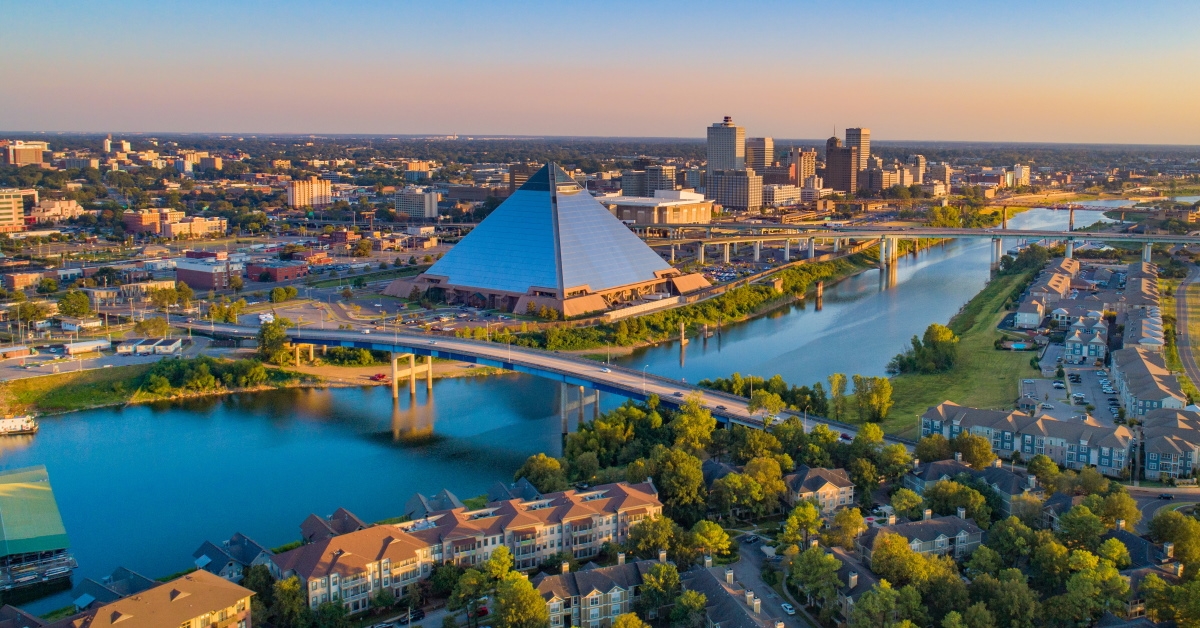
Memphis, Tennessee (Buy)

Kevin Ruck/Adobe aerial view memphis skyline

Median cost to buy: $1,258/mo.

Median cost to rent: $1,328/mo.

Per the most recent Realtor.com data, Memphis residents could see monthly savings from buying a house instead of renting it. In fact, according to Redfin data, home prices have come down 15% compared to the same time last year. 

Released: The Definitive Guide to Retirement Income

Most people spend their entire working lives focusing on one thing: growing a pile of money. Then they retire and discover the skill they actually need is close to the opposite. Turning that pile into steady income, year after year, through good markets and bad, without ever running out. It may be the least discussed and most consequential transition in personal finance, and plenty of otherwise careful investors walk into it with no real plan.

That is exactly what The Definitive Guide to Retirement Income helps answer.1 It is a free guide from Fisher Investments covering what your retirement will really cost, where the cash flow should come from, and how much you can safely withdraw each year. Learn More Here ›

Austin, Texas (Rent)

Ryan Conine/Adobe downtown Austin Texas during sunset

Median cost to buy: $3,946/mo.

Median cost to rent: $1,670/mo.

The most expensive city to buy instead of rent isn't on the East Coast or Pacific Northwest: It's in the heart of Texas. 

In 2022, Austin was ranked as the second fastest-growing U.S. city, and the ever-increasing demand for housing definitely makes itself clear in Austin's median housing prices. In contrast, Austin's rent costs saw a large drop — exactly 8% since last year.

San Francisco, California (Rent)

JFL Photography/Adobe San Francisco skyline with Oakland Bay Bridge at sunset

Median cost to buy: $5,859/mo.

Median cost to rent: $2,906/mo.

It's been impossible for all but the richest (or the most willing to be house-poor) to buy a house in San Francisco for the last several decades. 

Even a single-family home can cost three-quarters of a million dollars. Renting in the area isn't exactly affordable: At almost $3,000 a month, San Francisco's rent is one of the most expensive on our list, but buying a house is nearly twice as expensive.

Columbus, Ohio (Rent)

SeanPavonePhoto/Adobe columbus ohio usa skyline on river

Median cost to buy: $2,458/mo.

Median cost to rent: $1,222/mo.

Although rent has gone up in Columbus over the last year, housing prices have, too. Residents can save a significant amount of money each month if they choose to rent instead of buying a home. 

Another bonus? The cost of living is much lower in the area compared to other metro areas in the country.

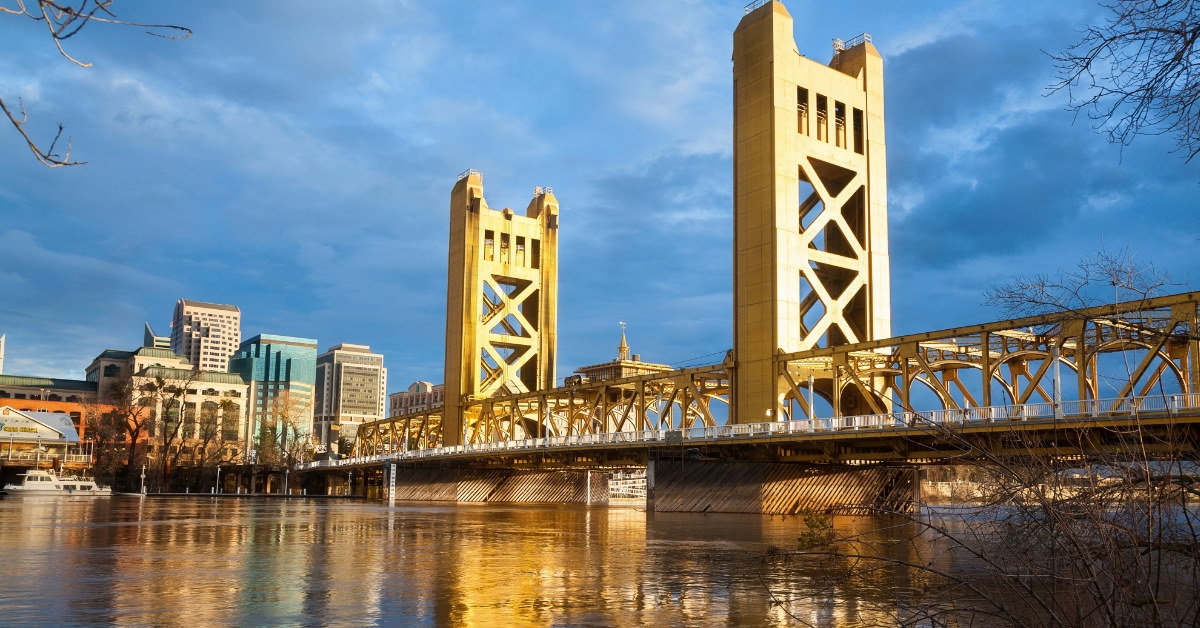
Sacramento, California (Rent)

adonis_abril/Adobe old sacramento bridge on river during day time

Median cost to buy: $3,779/mo.

Median cost to rent: $1,898/mo.

Another California city where homeownership is incredibly costly is Sacramento. Home prices have grown 9% over the last year, which is why more individuals are considering renting. 

This does mean, though, that the rental market is competitive, so you'll likely need to act quickly if you see a good deal.

Los Angeles, California (Rent)

Tommy/Adobe Seattle Skyline at sunset with Space needle

Median cost to buy: $5,672/mo.

Median cost to rent: $2,892/mo.

With almost 13 million people living within city boundaries, Los Angeles is definitely one of the most densely populated areas in the U.S. 

The high population and high demand for housing help keep housing costs high for renters and buyers alike, with the median home price now at a sky-high $1.16 million.

To save some money, residents should consider renting where they can expect to spend a median of $2,892 per month on rent.

Bottom line

JD8/Adobe real estate agents offer contracts to purchase

Whether you rent or own, you'll almost always have to funnel extra cash from side gigs and tax refunds into housing: It'll probably be your biggest monthly expense for the foreseeable future.

The cheaper choice depends in large part on where you live, so if you'd rather rent than buy (or vice versa), comparing the data can help you decide where — and how — you actually want to put down roots.

Compare Quotes Benefits
  • Get quotes in 60 seconds
  • Compare rates from top insurers
  • Coverage you need at an affordable price
  • It's free and fast to compare quotes


Financebuzz logo

Thanks for subscribing!

Please check your email to confirm your subscription.