While most Americans consider it important to have a vehicle for getting around, sitting in a car for long periods can be stressful and challenging.
From finding parking to high gas prices to the endless grind of traffic, many would rather move to a city where they don't have to drive. This is especially true if you're looking for a stress-free retirement. Living in a town with walkable neighborhoods and good public transit will be a massive factor in that.
Here are nine cities to retire in if you want to avoid having to drive everywhere you go.
Now Available: The Definitive Guide to Retirement Income
Many successful investors eventually reach the same moment. The saving is done, the portfolio is built, and the question quietly changes from how much can I grow this to how much can I take out? Get that second question wrong and decades of good investing can come apart in a handful of years.
That is exactly what The Definitive Guide to Retirement Income helps answer.1 <p class="">Investing in securities involves a risk of loss. Past performance is never a guarantee of future returns. Investing in foreign stock markets involves additional risks, such as the risk of currency fluctuations. Guides are provided by Fisher Investments. The publisher may be compensated when readers request a guide.</p> It covers what your retirement could actually cost, which income sources are worth using, and the withdrawal math that decides whether the money lasts. It is free today from Fisher Investments. Read More Here ›
Boston, Massachusetts
As one of the oldest major cities in the country, Boston's got a centralized downtown and a massive public transit system, the MBTA subway, to take you where you need to go.
Neighborhoods like Back Bay, Beacon Hill, Jamaica Plain, and Somerville are all close to hospitals and shops. While the city is walkable, you'll need to get used to the non-grid style layout and narrow streets if you walk long distances.
Additionally, the state of Massachusetts doesn't tax Social Security benefits, so your retirement savings will go a long way.
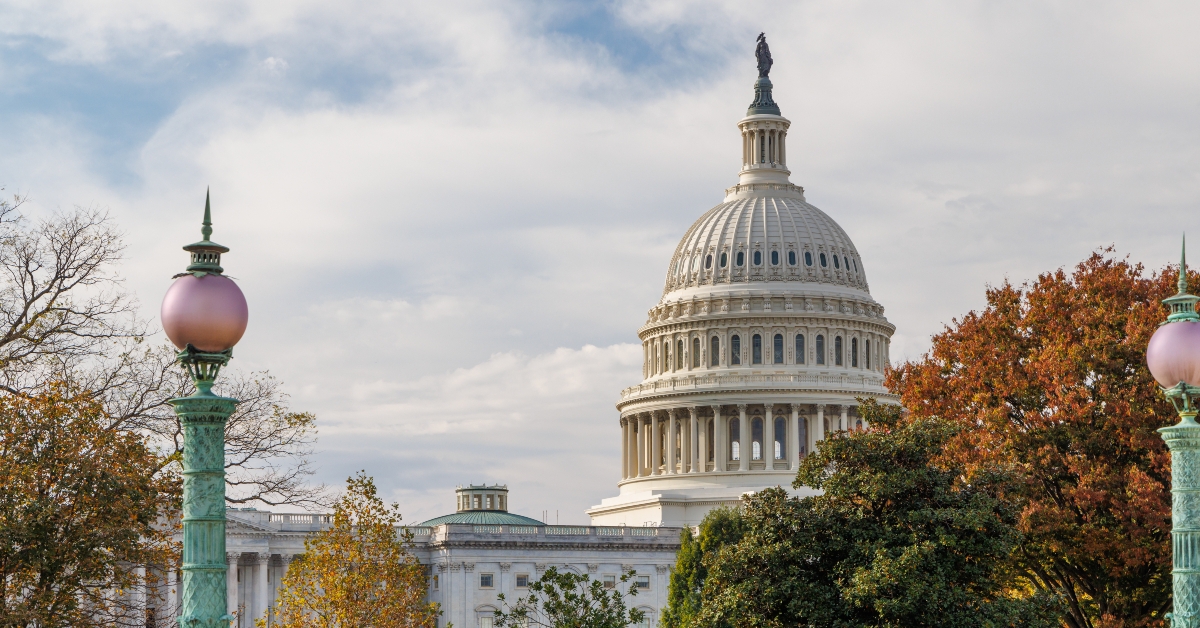
Washington, D.C.
The nation's capital features a dense, walkable core along with a fantastic transportation system to get you around the city. The metro and bus networks can take you wherever you need to go, and the layout makes walking between places easy.
Given its proximity to the federal government, D.C. has some of the best health services and hospitals. The city also offers a plethora of programs for older adults, including tax relief and home repair grants.
Philadelphia, Pennsylvania
Philly has excellent public transportation, and its grid layout makes navigating the city pretty easy. The SEPTA regional rail can take you from downtown to the outskirts of the city and the suburbs with ease.
The city is more affordable than most other big East Coast cities, making it a solid option for those who want to experience the vibrancy without the cost of places like New York or Boston.
Pennsylvania also doesn't tax Social Security benefits, pension income, or most retirement account withdrawals, which increases your monthly cash flow.
Released: The Definitive Guide to Retirement Income
Most people spend their entire working lives focusing on one thing: growing a pile of money. Then they retire and discover the skill they actually need is close to the opposite. Turning that pile into steady income, year after year, through good markets and bad, without ever running out. It may be the least discussed and most consequential transition in personal finance, and plenty of otherwise careful investors walk into it with no real plan.
That is exactly what The Definitive Guide to Retirement Income helps answer.1 <p class="">Investing in securities involves a risk of loss. Past performance is never a guarantee of future returns. Investing in foreign stock markets involves additional risks, such as the risk of currency fluctuations. Guides are provided by Fisher Investments. The publisher may be compensated when readers request a guide.</p> It is a free guide from Fisher Investments covering what your retirement will really cost, where the cash flow should come from, and how much you can safely withdraw each year. Learn More Here ›
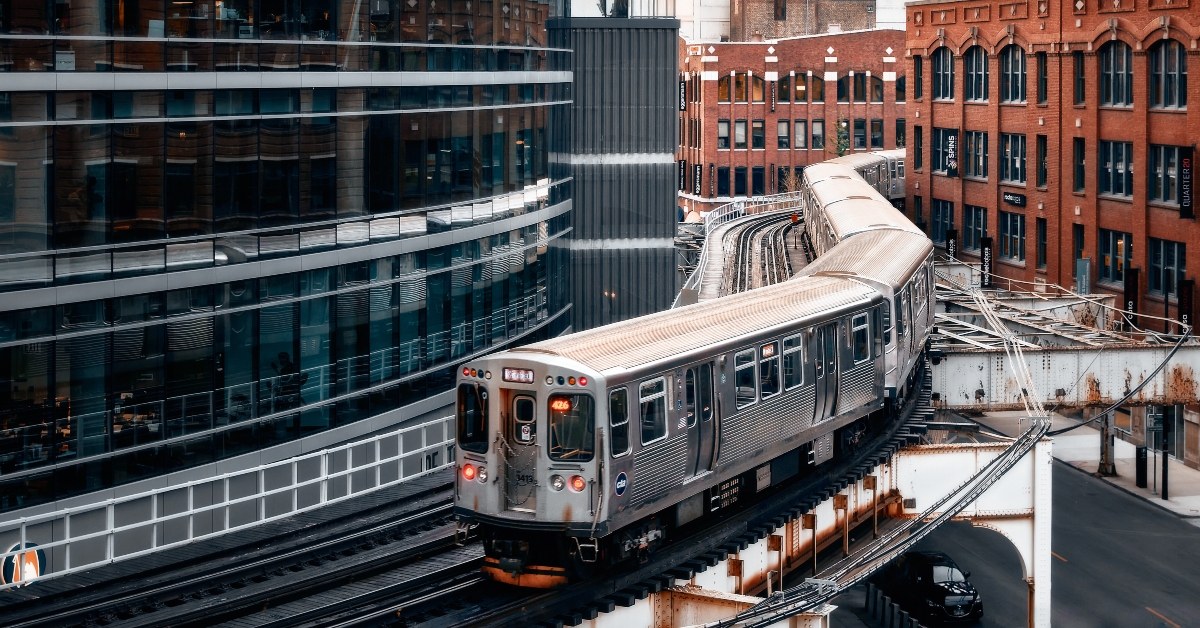
Chicago, Illinois
Chi-town has a phenomenal above-ground rail and bus system thanks to the Chicago Transit Authority. Beyond that, there are plenty of lakefront paths and walkable streets to get you anywhere you need to be.
Chicago is ranked fourth most walkable in the country. Neighborhoods like Near North Side, Lincoln Park, Lakeview, or the Loop offer great walkability and healthcare access.
San Francisco, California
The hilliest major city in the country is actually a great place to move to if you want to ditch your car. The MUNI metro light-rail and bus system can take you all over the city, and the Bay Area Rapid Transit (BART) train can take you all over the Bay Area with ease.
Most neighborhoods are surprisingly walkable, with plenty of stores and shops nearby. While it's an expensive city, San Francisco and the entire region have some of the best healthcare in the world.
New York, New York
The Big Apple is the second-most walkable city in the country, and it has some of the best public transportation to boot. The NYC subway is one of the wonders of the world, easily taking you wherever you need to go.
Beyond that, there are plenty of bike lanes, endless lines of taxis, and bosses all over. The city also has programs in place to keep the cost of living low for retirees on a fixed income.
Portland, Oregon
With good public transit and a biking culture, Portland has a lot to offer car-less residents. While you might have to cross a bridge or two, the flat layout of the city makes it easy to traverse. Throw in plenty of bus and light rail lines, and it's easy to navigate around.
Many neighborhoods have an abundance of shops, and Portland is known for its massive number of food trucks, so you'll always have tasty options. The lack of state tax on Social Security helps make this a more affordable place for retirees.
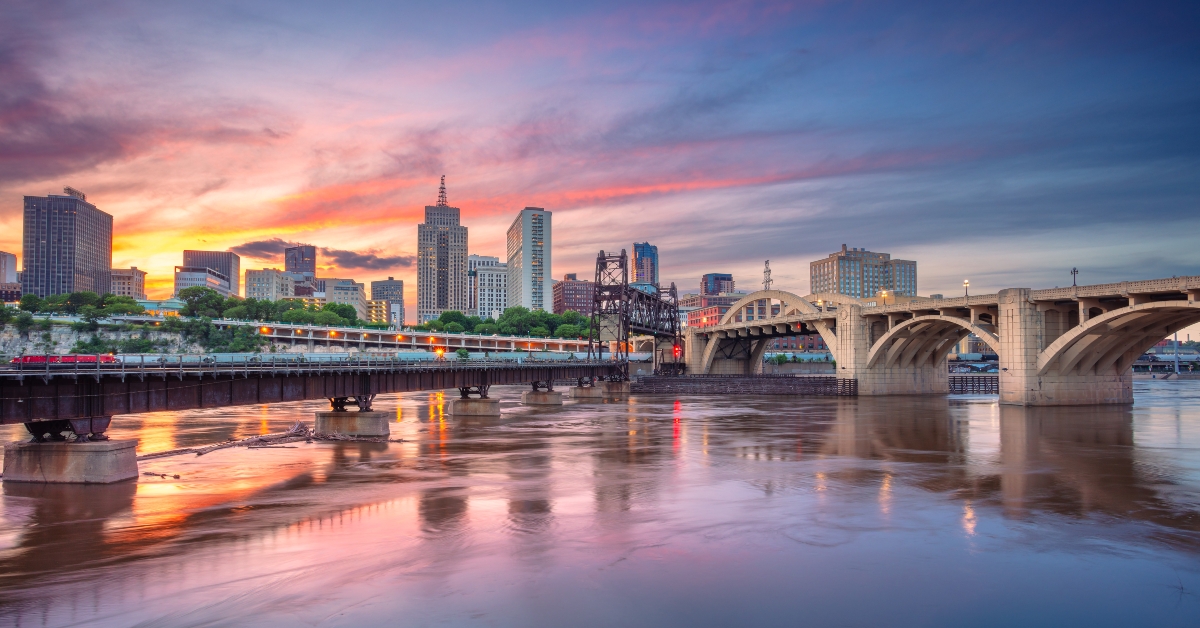
Minneapolis and Saint Paul, Minnesota
With 34 miles of dedicated bike lanes, the Twin Cities have plenty of walkable neighborhoods and dense areas with plenty of shops and stores.
The Metro Transit's light rail service will get you around the city, along with the robust bus line. With a strong hospital system and affordable cost of living, it's a great place to move to if you're looking for a slower and more affordable slice of city life.
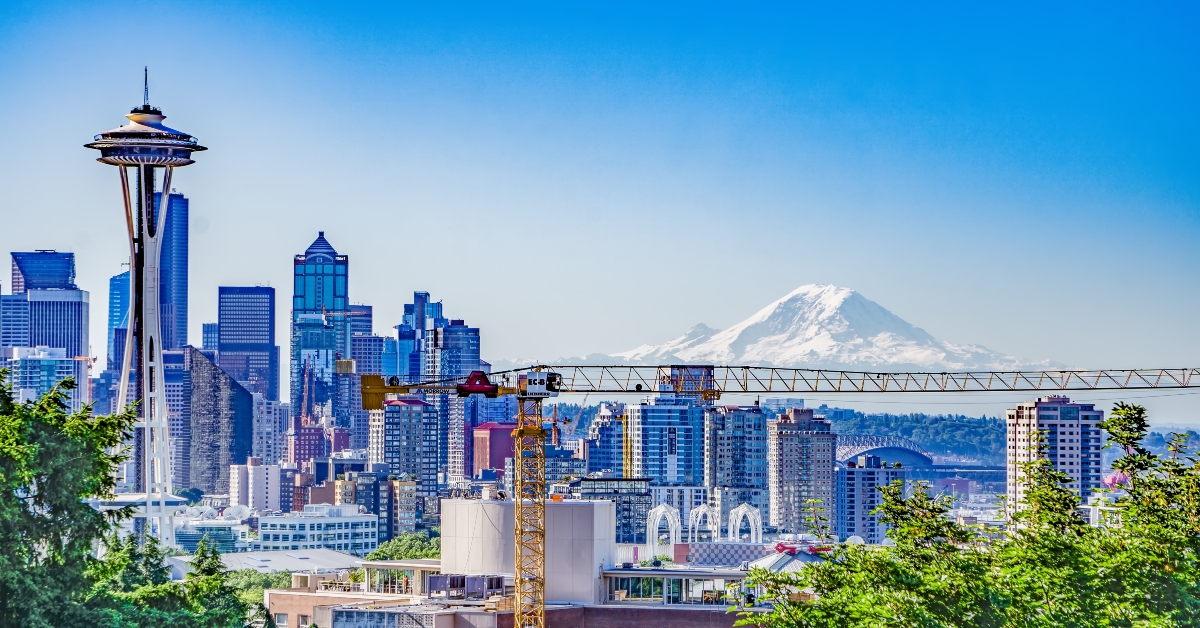
Seattle, Washington
A dense downtown and several walkable neighborhoods, along with a growing light rail system and frequent buses, make Seattle an up-and-coming place for those looking to ditch their cars.
Sound Transit and King County Metro will take you anywhere you need to go in Seattle and the surrounding suburbs. Throw in a nicely planned downtown with big sidewalks and minimal hills, and you have the makings of a great city that won't require any driving.
Washington is a tax-friendly state, too, as Social Security and pension income aren't taxed, so your money will go a long way in retirement.
Get instant access to hundreds of discounts
Over 50? Join AARP today— because if you’re not a member you could be missing out on huge perks like discounts on travel, dining, and even prescriptions.
Get 25% off membership — just $15 for your first year with auto-renewal — and a free gift if you join today.
Bottom line
Each of these nine cities offers strong public transportation, walkable neighborhoods, and access to essential services like hospitals, grocery stores, and community centers, all without driving. Many also provide tax breaks for retirees, helping you maximize your senior benefits.
Living in more walkable neighborhoods is linked to more social interaction and a stronger sense of community among adults, especially older adults. This is a crucial component of any retirement location.
- Huge discounts on travel, groceries, prescriptions and more
- Access to financial planning resources and health tools
- Join AARP and get 25% off with automatic renewal
Subscribe Today
Unlock the Best Banking Deals and Bonuses
From high-yield savings accounts to cashback checking and sign-up bonuses, we bring you the best banking offers to grow your money smarter.
Add Us On Google