There's always a need to stay on top of your finances: making sure all of your bills are paid on time, you're balancing your spending with your savings, and you make smart financial choices overall.
But maybe you're already doing all the right things, or at least more than you think.
Let's take a look at 15 signs that your finances are in good shape (or how you can get them in good shape fast).
Now Available: The Definitive Guide to Retirement Income
Many successful investors eventually reach the same moment. The saving is done, the portfolio is built, and the question quietly changes from how much can I grow this to how much can I take out? Get that second question wrong and decades of good investing can come apart in a handful of years.
That is exactly what The Definitive Guide to Retirement Income helps answer.1 <p class="">Investing in securities involves a risk of loss. Past performance is never a guarantee of future returns. Investing in foreign stock markets involves additional risks, such as the risk of currency fluctuations. Guides are provided by Fisher Investments. The publisher may be compensated when readers request a guide.</p> It covers what your retirement could actually cost, which income sources are worth using, and the withdrawal math that decides whether the money lasts. It is free today from Fisher Investments. Read More Here ›
You budget carefully
If you're not doing this already, creating and sticking to a budget is one of the best indicators you're financially responsible.
A budget helps you manage your income and expenses, and it keeps you from overspending. Some examples of effective budgeting methods include:
- 50/30/20 budget method: This method calls for splitting your after-tax income into three categories of spending: 50% on needs, 30% on wants, and 20% on savings.
- Envelope budget method: With this method, you put together a written budget, and then divide up cash into separate envelopes for different spending categories. You must limit spending to just what is allotted in the envelopes.
- "No budget" method: This "budgeting" method is based solely on your income and expected expenses. Each month, you pay your bills first, then put money aside for savings, and what you have left is available for your variable expenses.
You have an emergency fund you only use for emergencies
Saving for (and having) an emergency fund is essential to weathering unexpected expenses without relying on credit cards or other forms of debt.
Situations in which you may need an emergency fund include unexpected job loss, medical expenses, and home or auto repairs.
Kudos to you if you've already got an emergency fund of your own.
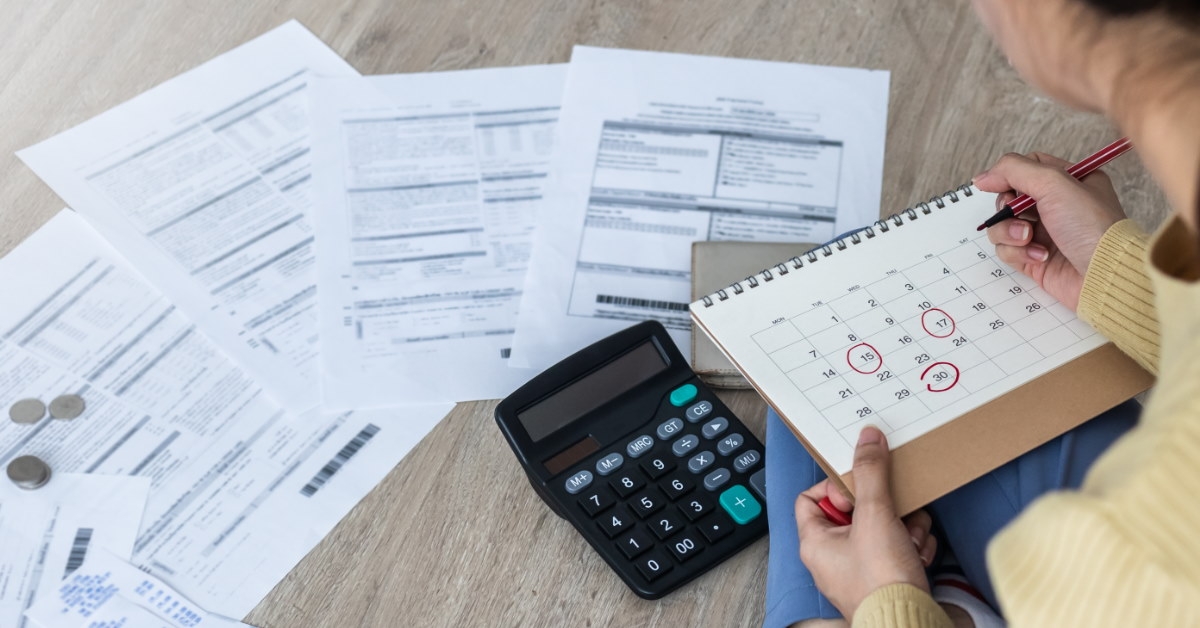
You pay your bills on time
Paying your bills on time helps you avoid late fees and added interest. It also helps keep your credit score in good shape.
This may seem like common sense, but it can get confusing when you have so many different bills with different due dates.
Consider automatic payments for credit card bills, or, better yet, reduce your expenses overall to eliminate unnecessary bills. If you're already doing this, you're doing great!
Released: The Definitive Guide to Retirement Income (Sponsor)
Most people spend their entire working lives focusing on one thing: growing a pile of money. Then they retire and discover the skill they actually need is close to the opposite. Turning that pile into steady income, year after year, through good markets and bad, without ever running out. It may be the least discussed and most consequential transition in personal finance, and plenty of otherwise careful investors walk into it with no real plan.
That is exactly what The Definitive Guide to Retirement Income helps answer.1 <p class="">Investing in securities involves a risk of loss. Past performance is never a guarantee of future returns. Investing in foreign stock markets involves additional risks, such as the risk of currency fluctuations. Guides are provided by Fisher Investments. The publisher may be compensated when readers request a guide.</p> It is a free guide from Fisher Investments covering what your retirement will really cost, where the cash flow should come from, and how much you can safely withdraw each year. Learn More Here ›
You have no high-interest debt
High-interest debt, like credit card debt, can quickly spiral out of control and leave you struggling to make payments.
The debt compounds, meaning the interest added to your debt each month becomes part of the principal debt, which in turn creates an exponentially larger debt each month.
If you don't have this type of debt, you're already in a much better financial position.
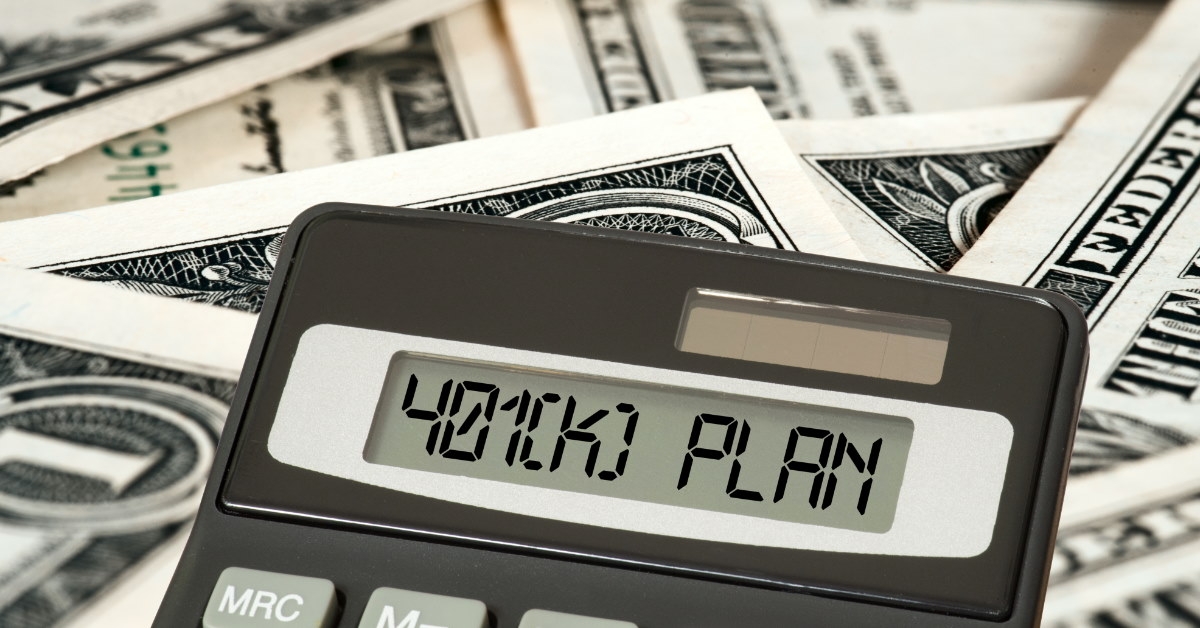
You contribute to a 401(k)
Investing in your retirement is a smart move that can help you build long-term wealth.
Not only that, investing for retirement from a young age will mean the difference between being able to stop working at a reasonable age or having to work for much longer.
If you're regularly contributing to a 401(k) retirement account, you're on the right track.
You live below your means
Living below your means is simply spending less than you earn. This means you're spending less than you can afford on monthly rent or mortgage payments, credit card bills, etc.
Living by this financial virtue will ensure you have enough money to save each month. If you're able to do this consistently, you're in a good financial position.
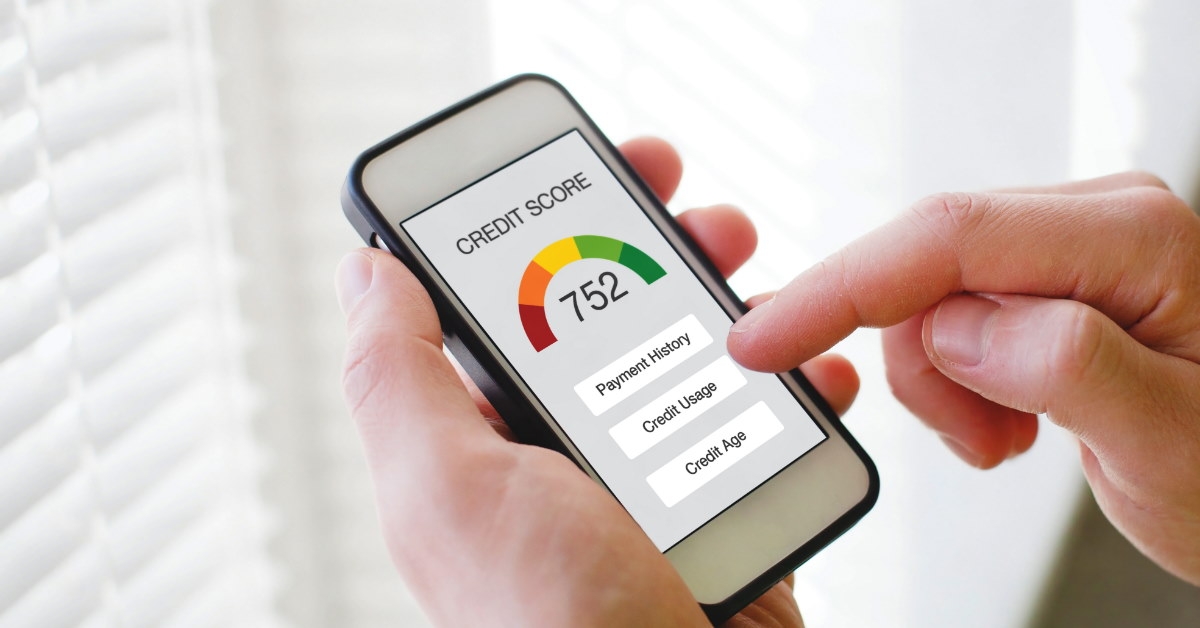
Your credit score is over 714
Your credit score is an important indicator of your financial health. The average credit score in America is about 714, so if your score is higher than that, you're on the right track.
A good credit score (with the "good" range being 670-739) means you'll be eligible for lower interest rates. That can mean the difference between being able to buy your first home or not.
If you have a good credit score, it means lenders view you as someone who's responsible with credit and can manage debt effectively.
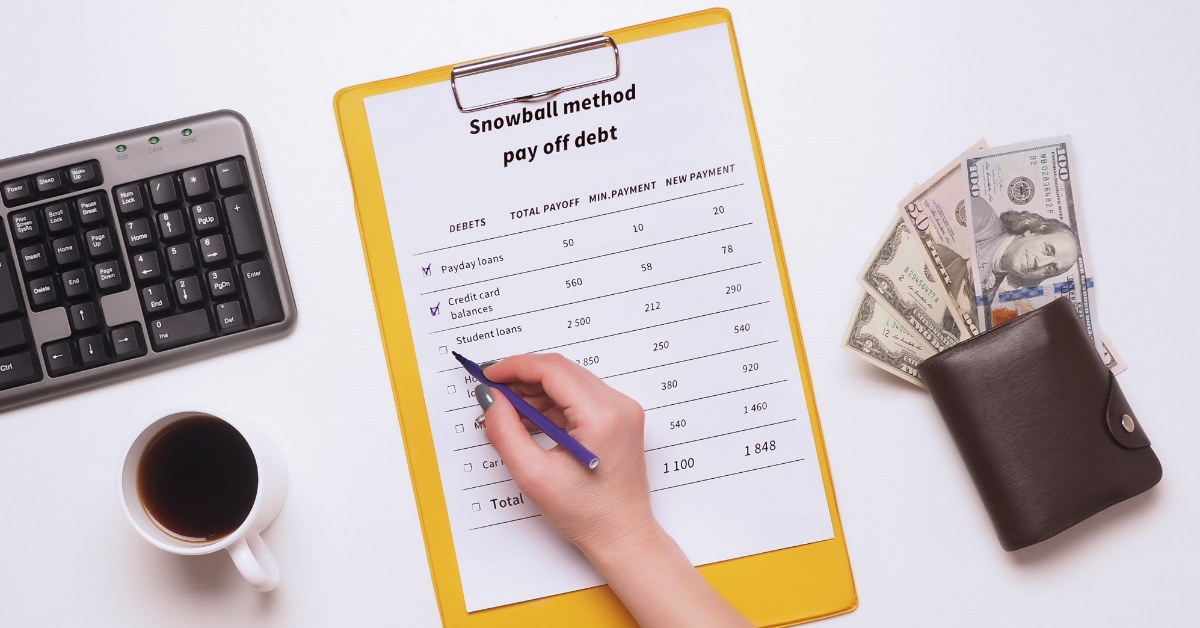
You have a plan to pay off debt
If you have debt, having a plan to pay it off is crucial. Allowing your debt to increase without making payments on it will lead to financial jeopardy.
Whether it's creating a budget or using a debt repayment strategy, having a plan in place shows that you're taking control of your finances.
You save for big purchases
Life's biggest purchases typically include your home, your car, your child's college fund, and sometimes events such as a wedding or a home renovation.
Saving up for big purchases like these shows you're thinking ahead and planning for the future, which is always positive.
Earn $100 cash rewards bonus with this incredible card
The Wells Fargo Active Cash® Card (Rates and fees) has no annual fee and you can earn a $100 cash rewards bonus after spending $500 in purchases in the first 3 months.
Cardholders can also earn unlimited 2% cash rewards on purchases.
The best part? There's no annual fee.
You track your spending
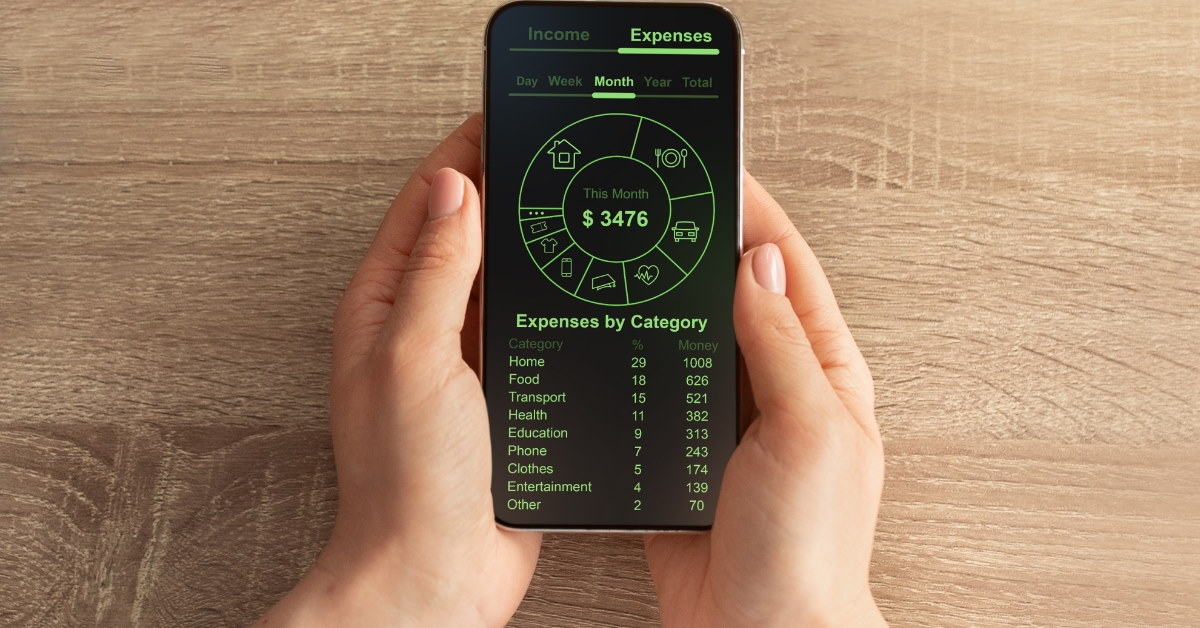
Tracking your spending is an important part of budgeting and financial planning.
It's easy to track expenses using a spreadsheet, which can be broken out into different tabs and columns for different types of expenses.
If you're aware of where your money is going, you're already better equipped to make smart financial decisions.
You have a plan for unexpected expenses

Unexpected expenses like emergency travel to visit a sick loved one, a big auto repair, or a crazy medical bill can throw a wrench in your finances.
But if you have a plan for how to handle these expenses, you're already better equipped to handle whatever comes your way.
You have a side hustle
There are so many different types of side hustles: food or grocery delivery, babysitting, pet sitting, or freelancing, to name a few.
Having a side hustle (or two) can help you increase your income, pay off debt faster, or save for the future. Side hustles can also help you weather any financial hardships, like the loss of a full-time job.
You prioritize your financial goals
Financial goals can include saving a certain amount of money each month, saving for a vacation, or saving for your first home or a new car.
If you already have clear financial goals like these and you're actively working toward them, you're well on your way to financial achievement.
You pay off your credit cards in full every month
Many people get into financial trouble by not paying off their credit card bills in full every month.
Using credit cards responsibly means not carrying a balance on your credit cards from month-to-month and only using credit cards for purchases you can afford to pay off in full.
If you're already doing those two things, you're in pretty good shape.
You spend responsibly
It's tempting to spend excessively on material possessions (like fancy shoes or clothes) or lavish experiences (like travel or fine dining), but it's important to keep these purchases to a minimum.
This is particularly important if you have high-interest debt that needs attention. If you're already spending your discretionary income wisely, you've got this.
Bottom line
While there are other things you can do to ensure good money habits, these 15 are a great start.
While there's a lot to think about when it comes to your finances, if you find yourself doing these things already, you might be doing better financially than you think.
Keep all of these actions in mind, and hopefully, you'll be in great financial shape for years to come.
- First month free
- Protection for unexpected expense
- 24/7 claims hotline
- Network of over 15,000 technicians

Subscribe Today
Unlock the Best Banking Deals and Bonuses
From high-yield savings accounts to cashback checking and sign-up bonuses, we bring you the best banking offers to grow your money smarter.
Add Us On Google