



/images/2023/09/14/woman_using_laptop.jpg)

/images/2019/12/06/smart_strategies_to_save_money_on_car_insurance.jpg)
:format(webp)/images/2025/10/28/snap-benefits-store-signage.jpg)
/authors/paige-cerulli-headshot.jpg)
/authors/laura_hohenstein_headshot.jpg)


 Add Us On Google

The Supplemental Nutrition Assistance Program (SNAP) helps millions of low-income Americans stretch their food budgets. Recipients receive monthly benefits loaded onto an EBT card that they can use to buy groceries. According to USDA data, in fiscal year 2024, SNAP served approximately 41.7 million people per month.
But according to a new report from Propel, a technology company serving public benefit recipients, EBT theft has become a serious and growing threat to SNAP recipients. Many SNAP recipients and advocates are calling for new steps to help prevent benefit theft. Understanding how SNAP theft works and how to protect yourself can help lower your financial stress.
Set up eligible direct deposit - pocket up to $400
Set up an eligible direct deposit with SoFi Checking and Savings and you could earn a bonus of $50 or $400.1 <p>New and existing Checking and Savings members who have not previously enrolled in Direct Deposit with SoFi are eligible to earn a cash bonus of either $50 (with at least $1,000 total Eligible Direct Deposits received within 25 calendar days of your first Eligible Direct Deposit of $1 or more) OR $400 (with at least $5,000 total Eligible Direct Deposits received within 25 calendar days of your first Eligible Direct Deposit of $1 or more). Cash bonus amount will be based on the total amount of Eligible Direct Deposit received within 25 calendar days of your first Eligible Direct Deposit of $1 or more. If you have satisfied the Eligible Direct Deposit requirements but have not received a cash bonus in your Checking account, please contact us at 855-456-7634 with the details of your Eligible Direct Deposit. Direct Deposit Promotion begins on 5/15/2026 and will be available through 12/31/2026. Full terms at <a href="https://www.sofi.com/banking/">sofi.com/banking</a>. SoFi Checking and Savings is offered through SoFi Bank, N.A., Member FDIC. SoFi members with Eligible Direct Deposit can earn 3.30% annual percentage yield (APY) on savings balances (including Vaults) and 0.50% APY on checking balances. There is no minimum Eligible Direct Deposit amount required to qualify for the 3.30% APY for savings (including Vaults). Members without Eligible Direct Deposit will earn 0.80% APY on savings balances (including Vaults) and 0.50% APY on checking balances. Interest rates are variable and subject to change at any time. These rates are current as of 9/23/26. Fees may reduce earnings. Additional information can be found at <a href="https://d32ijn7u0aqfv4.cloudfront.net/wp/wp-content/uploads/raw/SoFi-Bank-Rate-Sheet-September-23-2026.pdf">http://www.sofi.com/legal/banking-rate-sheet</a>.</p> Make the switch, set up eligible direct deposit, earn the bonus. It basically takes no extra work at all other than following these steps.
Why people are switching: This account earns up to an insane 4.20% APY2 <p>Earn up to 4.20% Annual Percentage Yield (APY) on one SoFi Savings account with a 0.90% APY Boost (added to the 3.30% APY as of 9/23/26) for up to 6 months. Open your first SoFi Checking and Savings account and receive eligible direct deposits OR qualifying deposits of $5,000 every 31 days by 12/31/26. Rates are variable, subject to change. Terms apply at <a href="https://www.sofi.com/banking/#4">sofi.com/banking#4</a>. SoFi Bank, N.A. Member FDIC.</p> on savings for up to six months (3.30% APY standard + 0.90% APY boost) on top of that $50 or $400 bonus.1 <p>New and existing Checking and Savings members who have not previously enrolled in Direct Deposit with SoFi are eligible to earn a cash bonus of either $50 (with at least $1,000 total Eligible Direct Deposits received within 25 calendar days of your first Eligible Direct Deposit of $1 or more) OR $400 (with at least $5,000 total Eligible Direct Deposits received within 25 calendar days of your first Eligible Direct Deposit of $1 or more). Cash bonus amount will be based on the total amount of Eligible Direct Deposit received within 25 calendar days of your first Eligible Direct Deposit of $1 or more. If you have satisfied the Eligible Direct Deposit requirements but have not received a cash bonus in your Checking account, please contact us at 855-456-7634 with the details of your Eligible Direct Deposit. Direct Deposit Promotion begins on 5/15/2026 and will be available through 12/31/2026. Full terms at <a href="https://www.sofi.com/banking/">sofi.com/banking</a>. SoFi Checking and Savings is offered through SoFi Bank, N.A., Member FDIC. SoFi members with Eligible Direct Deposit can earn 3.30% annual percentage yield (APY) on savings balances (including Vaults) and 0.50% APY on checking balances. There is no minimum Eligible Direct Deposit amount required to qualify for the 3.30% APY for savings (including Vaults). Members without Eligible Direct Deposit will earn 0.80% APY on savings balances (including Vaults) and 0.50% APY on checking balances. Interest rates are variable and subject to change at any time. These rates are current as of 9/23/26. Fees may reduce earnings. Additional information can be found at <a href="https://d32ijn7u0aqfv4.cloudfront.net/wp/wp-content/uploads/raw/SoFi-Bank-Rate-Sheet-September-23-2026.pdf">http://www.sofi.com/legal/banking-rate-sheet</a>.</p> That's way better than the measly 0.38% APY (as of 06/15/26)3 <p>Based on <a href="https://www.fdic.gov/national-rates-and-rate-caps">this</a> FDIC data, as of 6/15/26.</p> national average savings accounts offer.
No monthly fees and no surprises. Open your account and earn up to a $400 bonus
The growing problem of SNAP benefit theft
According to the 2026 Propel survey of EBT Theft Awareness and Impact, approximately $607 million in SNAP benefits was stolen from households in 2025. The number of surveyed households that reported losses has declined compared to last year; 18% of households surveyed in 2026 reported stolen benefits, while 27% of households surveyed in 2025 experienced theft.
However, the losses have increased in size. Of 2026 households surveyed, 64% lost more than $250 in benefits, while 32% lost over $500.
How SNAP theft occurs
Thieves often steal EBT benefits by using card skimming devices or phishing scams, stealing EBT card numbers and PINs, and then electronically accessing the funds. Thieves often carefully time the theft when they know the most benefits will be on the cards. The Propel survey found that 57% of households had their benefits stolen on their deposit day, while 30% of households' benefits were stolen a few days after deposit day.
How SNAP theft affects beneficiaries
The theft is having a tremendous effect on SNAP beneficiaries. The Propel survey found that 56% of beneficiaries skipped or reduced their meals as a result of the theft, while 43% borrowed money or went into debt. Additionally, 42% of respondents sought out extra help, such as by going to charities, while 35% struggled to pay their bills or rent.
Propel notes that the benefit theft affected recipients beyond the month in which the theft occurred, highlighting the ongoing impact that financial losses can have on households already living on tight budgets. The theft of SNAP benefits may cause households to be late on their bills and rent because of the theft, leading to long-lasting consequences.
Resolve $10,000 or more of your debt
National Debt Relief could help you resolve your credit card debt with an affordable plan that works for you. Just tell them your situation, then find out your debt relief options.4 <p>Please note that all calls with the company may be recorded or monitored for quality assurance and training purposes. Clients who are able to stay with the program and get all their debt settled realize approximate savings of 45% before fees, or 20% including our fees, over 24 to 48 months. All claims are based on enrolled debts. Not all debts are eligible for enrollment. Not all clients complete our program for various reasons, including their ability to save sufficient funds. Estimates based on prior results, which will vary based on specific circumstances. We do not guarantee that your debts will be lowered by a specific amount or percentage or that you will be debt-free within a specific period of time. We do not assume consumer debt, make monthly payments to creditors or provide tax, bankruptcy, accounting or legal advice or credit repair services. Not available in all states. Please contact a tax professional to discuss tax consequences of settlement. Please consult with a bankruptcy attorney for more information on bankruptcy. Depending on your state, we may be available to recommend a local tax professional and/or bankruptcy attorney. Read and understand all program materials prior to enrollment, including potential adverse impact on credit rating. "Debt-Free" applies only to enrolled credit cards, personal loans, and medical bills. Not mortgages, car loans, or other debts. Results vary.</p>
Sign up for a free debt assessment here.
How beneficiaries are preventing SNAP theft
Many SNAP beneficiaries have taken measures to protect their benefits. The Propel survey found that 56% of respondents never share their EBT card number or PIN with anyone who isn't part of the SNAP household, and 33% cover the keypad when entering their PIN. Respondents also frequently change their PIN, check the card reader to see if it's compromised, and avoid certain stores. Some respondents also flag suspicious text messages, phone calls, or social media posts, alerting their local SNAP offices.
Existing protections against SNAP theft
Protections against SNAP theft are limited, but beneficiaries have the ability to lock their SNAP card, which may help prevent theft. Propel found that, among beneficiaries who didn't lock their card, 54% of beneficiaries weren't aware that they could lock their card. Providing additional education about this feature could potentially help reduce theft and protect beneficiaries.
Desired additional SNAP protections
SNAP beneficiaries clearly demonstrated a desire for more safety features to help protect their benefits. Safety features like the ability to block transactions in real-time, the use of an EBT card with a security chip, and the use of virtual cards or mobile pay might all help reduce theft. Currently, the burden of preventing theft is largely on households, but these systemic protections could enhance EBT security and reduce benefit theft.
How California is fighting theft
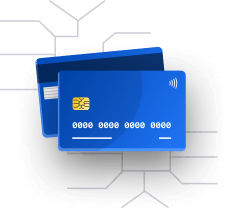
In 2025, California issued chip cards for EBT, becoming the first state to do so. Prior to implementing the chip cards, at least 19% of California Propel respondents reported having their benefits stolen during the prior year. After the implementation of the chip cards, the reporting of stolen benefits dropped to 8%.
The chip card implementation has come with challenges. SNAP recipients report not always using the chip when making in-store purchases, and some cashiers instruct shoppers to swipe the cards instead. Additionally, a small percentage of SNAP households had to replace their chip cards at least once due to damage or because the card wouldn't work at stores.
Bottom line
Given the rise of EBT benefit theft and the increasingly sophisticated phishing scams, SNAP advocates and recipients are calling for more systemic protections against the widespread and growing theft. Security features like locking cards, blocking out-of-state transactions, and blocking online transactions are available in some, but not all, states. A collective move toward enhanced security features could help prevent theft, protecting SNAP households.
If you use a SNAP EBT card, consider researching the security features that are available in your state. By actively using those security features, you can protect your benefits, stretching your food budget so you can use your income to help pay for your bills.
More from FinanceBuzz:
- Things to cut when living on retirement (many people ignore #11).
- 14 moves seniors could benefit from but often forget about.
- Find out if you could pay less for car insurance in just a few clicks.
- Learn how to escape the paycheck-to-paycheck grind.
/images/2021/04/21/adobestock_192812280_1200x628.jpg)

/images/2019/12/06/smart_strategies_to_save_money_on_car_insurance.jpg)
/images/2025/01/28/adobestock_628402894_1.jpeg)
/images/2024/09/04/adobestock_669069249_editorial_use_only_1.jpeg)
/images/2020/03/02/tattoo-woman-bar.jpeg)
/images/2020/12/21/smiling-couple-looking-at-laptop-screen.jpeg)
Intro Offer
INTRO OFFER: Unlimited Cashback Match for all new cardmembers. Discover will automatically match all the cash back you’ve earned at the end of your first year! There’s no minimum spending or maximum rewards. You could turn $150 cash back into $300
Annual Fee $0 Why we like it
/images/2025/01/23/discover_it_cash_back_card_art_gold.png)
/images/2025/02/04/person_using_card_in_atm.jpg)
/images/2020/06/29/pensive-woman-looking-at-laptop-screen.jpeg)
/images/2025/09/24/senior_couple_at_home_paying_bills.jpg)
/images/2026/04/29/man_using_iphone.png)
/images/2026/02/11/mark-cuban_2.jpg)
/images/2025/10/13/develop-a-budge-to-track-income.jpg)
/images/2026/07/01/27_warren-buffett-1.jpg)
/images/2025/12/16/woman-counting-cash.jpg)
/images/2025/03/09/cvs-health-logo-on-screen-adobe.jpg)
/images/2026/04/14/couple-in-their-60s-at-home.jpg)
