 Add Us On Google

Many of us don't realize how much we overspend on items we use every day. Small markups, convenience fees, and outdated habits can quietly drain hundreds — and sometimes even thousands — of dollars a year from our budgets. Below are some everyday expenses where spending less might help you get ahead financially over time.
Now Available: The Definitive Guide to Retirement Income
Many successful investors eventually reach the same moment. The saving is done, the portfolio is built, and the question quietly changes from how much can I grow this to how much can I take out? Get that second question wrong and decades of good investing can come apart in a handful of years.
That is exactly what The Definitive Guide to Retirement Income helps answer.1 <p class="">Investing in securities involves a risk of loss. Past performance is never a guarantee of future returns. Investing in foreign stock markets involves additional risks, such as the risk of currency fluctuations. Guides are provided by Fisher Investments. The publisher may be compensated when readers request a guide.</p> It covers what your retirement could actually cost, which income sources are worth using, and the withdrawal math that decides whether the money lasts. It is free today from Fisher Investments. Read More Here ›
Groceries
You don't need to completely overhaul your diet to save money at the store. Instead, just shop a little smarter.
Clipping digital coupons and purchasing store-brand items can reduce your bill significantly. Many store brands taste similar to name-brand items, allowing you to save on your bill without sacrificing quality.
Medications
Name-brand medications often carry high price tags. Fortunately, equally effective generics are available at a fraction of the cost.
The U.S. Food and Drug Administration (FDA) says generics can cost 80% to 85% less than brand-name drugs. Also, using discount cards or services such as GoodRx might help lower your costs, especially if your health insurance isn't the best.
Gas
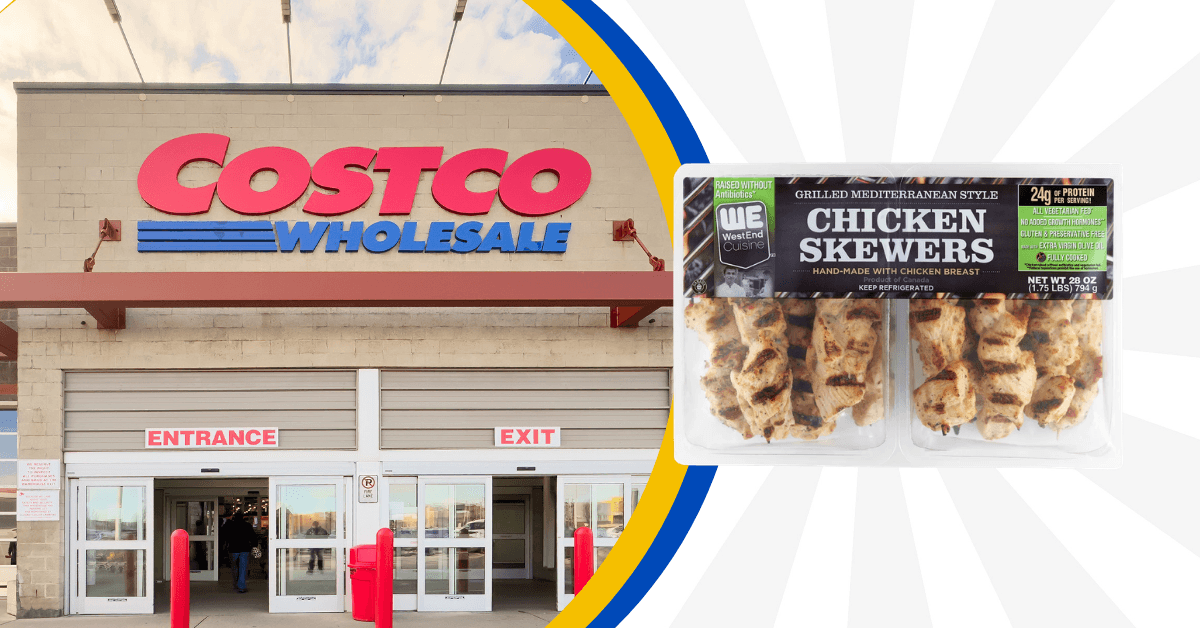
Membership clubs such as Costco and Sam's Club often sell gas for less per gallon than the prices you will find at nearby stations.
While it might not add up to much, every little bit counts. Some credit cards also provide cash back on gas purchases, which can further reduce your overall costs.
Released: The Definitive Guide to Retirement Income
Most people spend their entire working lives focusing on one thing: growing a pile of money. Then they retire and discover the skill they actually need is close to the opposite. Turning that pile into steady income, year after year, through good markets and bad, without ever running out. It may be the least discussed and most consequential transition in personal finance, and plenty of otherwise careful investors walk into it with no real plan.
That is exactly what The Definitive Guide to Retirement Income helps answer.1 <p class="">Investing in securities involves a risk of loss. Past performance is never a guarantee of future returns. Investing in foreign stock markets involves additional risks, such as the risk of currency fluctuations. Guides are provided by Fisher Investments. The publisher may be compensated when readers request a guide.</p> It is a free guide from Fisher Investments covering what your retirement will really cost, where the cash flow should come from, and how much you can safely withdraw each year. Learn More Here ›
Phone service
Many people overpay for phone plans packed with features they rarely use. Switching to a budget carrier like Mint Mobile or Visible can significantly lower your monthly bill compared to the rates charged by major providers.
Over time, that switch could save you hundreds of dollars annually without you needing to compromise on coverage.
Paper towels
Paper towels might be convenient, but they can be costly over time. A 12-pack of premium paper towels can cost $20 or more, and using them frequently can add up fast.
Instead, consider using reusable cloths for most messes. Such cloths can be washed and reused, significantly reducing this recurring expense.
Coffee
Daily coffee shop visits can strain your budget. Brewing your own cup at home can save you a fortune.
In fact, skipping a daily grande brewed at Starbucks and making your own coffee at home instead is likely to save you hundreds of dollars each year.
Soap
Bar soap is often much cheaper than liquid soap, sometimes by up to 50%. Bar soap tends to cost around 10 cents to 50 cents per ounce, while liquid hand soap ranges from 20 cents to $1 per ounce, according to the retailer Areton.
Plus, bar soap requires minimal packaging and contains fewer additives, making it a more economical and environmentally friendly choice.
Meals
Regularly dining out can significantly increase food expenses. The average cost of a home-cooked meal is about $4.23, while eating at an inexpensive restaurant averages $16.28 per meal, according to research from Top Nutrition Coaching.
That means preparing meals at home can save you hundreds or thousands of dollars annually.
Water
Choosing tap water over bottled water can lead to some big savings. In the U.S., tap water costs less than 1 cent per gallon, whereas bottled water averages about $10 per gallon, according to the American Museum of Natural History.
Plus, when you choose tap water, you're also reducing plastic waste. Going with tap water can save you hundreds or even thousands of dollars per year, depending on the amount of water you drink.
Earn $100 cash rewards bonus with this incredible card
The Wells Fargo Active Cash® Card (Rates and fees) has no annual fee and you can earn a $100 cash rewards bonus after spending $500 in purchases in the first 3 months.
Cardholders can also earn unlimited 2% cash rewards on purchases.
The best part? There's no annual fee.
Streaming subscriptions
Americans spend an average of more than $550 annually on streaming services, according to Forbes. Many people subscribe to multiple streaming services but underutilize them.
Nearly half of such subscriptions are rarely used, Forbes says. That leads to unnecessary expenses that can cost folks hundreds of dollars a year.
ATM fees
Using out-of-network ATMs can result in significant fees. Last year, a Bankrate survey found that the average total cost for such transactions was $4.77, comprising an average surcharge of $3.19 from the ATM-operating bank and an additional $1.58 from the customer's bank.
The cost of regularly using these ATMs can quickly add up over the course of a year.
Impulse purchases
Impulse buying can really drive up your costs. Americans spend an average of $5,400 per year on impulse purchases, with common items including food, clothing, and household goods, according to StudyFinds.
These unplanned expenses accumulate quickly, affecting your overall budget. You don't necessarily have to cut out impulse buys altogether, but it can be helpful to reduce the amount of unplanned purchases you make.
Gym memberships
Many gym memberships go unused, leading to wasted money. Considering the average annual gym membership costs hundreds of dollars, it's important to make sure you actually use the membership you pay for.
And remember, there are many ways to get exercise for free, from jogging to hiking and playing tennis.
Lottery tickets
Americans spend a lot of money on lottery tickets each year. In 2024, the investment advisory firm Elm Wealth projected that such expenditures would reach about $125 billion. For habitual players — who tend to be in lower-income households — annual spending can reach about $2,500.
While you don't have to give up on the lottery altogether, redirecting some of that cash toward savings or investments could make a big impact.
Bottom line
Reducing expenses doesn't always mean eliminating things. Instead, simply making smarter choices can greatly improve your finances without requiring much sacrifice on your part.
Making changes to how you spend on the items on this list can help you keep more cash in your wallet year in and year out.
More from FinanceBuzz:
- Retire like the rich: 14 ways you could build wealth in your 50s.
- Find out if you could pay less for car insurance in just a few clicks.
- Make these 7 savvy moves when you have $1,000 in the bank.
- 14 moves seniors could benefit from but often forget about.







Intro Offer
UNLIMITED CASHBACK MATCH: Discover will automatically match all the cash back you’ve earned at the end of your first year! There’s no minimum spending or maximum rewards. You could turn $150 cash back into $300. Click Apply Now to view important rates and disclosures. Plus, receive a $200 statement credit when you spend $500 on purchases in your first 3 months of account opening
Annual Fee $0 Why we like it